





Winter vitamins: which to prioritise and how to do it wisely
Which vitamins to prioritise in the cold months —vitamin D, C and the B group— and how to approach supplementation wisely, without falling for false promises.

Table of contents
When the days get shorter, less exposure to natural light, the seasonal circulation of respiratory infections and possible individual changes in habits or diet can all influence the intake of certain micronutrients. Knowing which winter vitamins deserve attention and when it makes sense to consider adding a supplement to your routine can help you feel better during winter.
Why your nutritional needs change in winter
Less exposure to sunlight in autumn and winter can reduce the synthesis of vitamin D in the skin, although the impact varies depending on geographic area, time spent outdoors, skin type and other individual factors. In some cases, changes in habits or diet during this time can influence the intake of certain micronutrients. Added to this is the greater seasonal circulation of respiratory infections typical of these months.
The fatigue, difficulty concentrating or dip in mood that some people experience at this time of year are non-specific symptoms with multiple possible causes and don't allow a nutritional deficiency to be diagnosed on their own. Winter vitamins aren't a universal solution, but they are a relevant piece of wellbeing care when individual habits or conditions change.
The most relevant vitamins in the cold months
Not all of them act on the same fronts or are equally a priority for everyone. What follows is a description of the most studied ones in relation to the cold season, with their recognised functions and the nuances worth keeping in mind before deciding whether to supplement.
Vitamin D, the most affected by the season
It's the vitamin with the clearest seasonal justification. The body synthesises it mainly through the skin when it's exposed to the sun's UVB radiation. Cutaneous synthesis can decrease depending on the season, latitude, outdoor exposure, skin type and other individual factors, so it isn't possible to make a recommendation valid for everyone.
What is well documented is its role in the normal function of the immune system, in maintaining bones and teeth and in the absorption of calcium and phosphorus. It has also been the subject of research in relation to mood and cognitive function, although the evidence in those areas is still developing.
About vitamin K, which frequently appears alongside D: its recognised functions include contributing to normal blood clotting and to the maintenance of bones. Combining the two isn't a universally advisable guideline. Vitamin K can interact with anticoagulant medications such as acenocoumarol or warfarin. If you take this type of medication or have any doubt about compatibility with your health situation, consult your doctor before taking any supplement that contains it.
Vitamin C and normal immune function
Vitamin C is the one most popularly associated with winter. Its recognised function includes contributing to the normal functioning of the immune system, to collagen synthesis and to protecting cells against oxidative stress. It also takes part in reducing tiredness and fatigue and in normal psychological function.
What's relevant here is that a varied and balanced diet, with regular presence of fruits and vegetables, is usually enough to cover vitamin C needs in most healthy adults. Supplementation can make sense when dietary intake is clearly insufficient, but taking high doses continuously can have adverse effects such as digestive discomfort or, in predisposed people, kidney stones.
B-group vitamins and energy metabolism
B-group vitamins, especially B6, B9 and B12, take part in cellular energy metabolism, in the synthesis of neurotransmitters and in the normal function of the nervous system. Vitamin B12 contributes to the correct formation of red blood cells and to the functioning of the nervous system. Plant-based diets can reduce B12 intake by excluding the main food sources of this vitamin; in addition, B12 absorption can be affected by age, gastrointestinal disorders or the use of certain medications.
It's worth clarifying that the fatigue or difficulty concentrating typical of winter aren't necessarily a sign of a B vitamin deficiency. They're very non-specific symptoms with multiple possible causes. If you think you might have low levels, the most useful step is a blood test, not starting to supplement preventively.
Iron: a mineral to check, not to assume
Iron isn't a vitamin, but it appears in many conversations about winter supplementation because it's involved in oxygen transport and normal cognitive function. What matters in this case is not to supplement without a confirmed deficiency: excess iron can be harmful, and the symptoms usually associated with low levels are common to many other situations. If you suspect you might have insufficient levels, the most useful thing is a blood test and to discuss it with your doctor before taking any supplement.
Discover the ZZEN Vitals multivitamin
Quick reference: vitamins for autumn and winter and what you should know
|
Nutrient |
Recognised function |
What to bear in mind |
|
Vitamin D |
Normal immune function, bones, absorption of calcium and phosphorus |
Synthesis depends on sun exposure and individual factors |
|
Vitamin C |
Immune function, collagen, antioxidant protection, fatigue reduction |
A varied diet usually covers needs; high doses can have adverse effects |
|
Vitamin B12 |
Nervous function, energy metabolism, red blood cell formation |
Plant-based diets can reduce intake; absorption can be affected by age, gastrointestinal disorders or medications |
|
Vitamin B6 |
Protein metabolism, neurotransmitter synthesis, nervous function |
Deficiency symptoms are non-specific; assess before supplementing |
|
Iron |
Oxygen transport, normal cognitive function |
Don't supplement without a confirmed deficiency; excess can be harmful |
|
Vitamin K |
Normal blood clotting and bone maintenance |
Can interact with anticoagulants; consult a doctor |
This table is an orientative reference. In the face of persistent symptoms or suspicion of a deficiency, professional assessment and, where appropriate, a blood test are the most reliable starting point.
Can vitamins prevent the flu? What the evidence says
This is one of the most frequent searches in autumn and winter, and it deserves a direct answer: no vitamin, on its own, prevents the flu or colds. The immune system is a complex system that depends on many factors, and micronutrients are just one of them.
What can be said is that maintaining adequate levels of vitamin D, vitamin C and other essential nutrients contributes to the immune system functioning normally. A pronounced deficiency can affect that normal function. But «normal function» isn't equivalent to protection against specific infections.
If your goal is to care for your health in winter in an integral way, supplementation can be part of the approach, not the core. A balanced diet, enough rest, regular physical activity, stress management and, when indicated, vaccination, are measures with solid evidence. Supplements can complement that picture, not replace it.
To better understand the scientific principles that guide ZZEN Labs' formulations, you can check the science and doctors section.
How to integrate vitamins into your autumn and winter routine
The time to review your winter supplementation doesn't have an exact date valid for everyone. It depends on your habits, your diet, your geographic area and your personal situation. What makes sense is to anticipate the months of less light and greater seasonal circulation of respiratory infections, rather than waiting for signs that something isn't right to appear.
For vitamin D, the review has more seasonal justification: if you spend many hours indoors, have doubts about your levels or live in an area with little solar radiation in these months, checking with a blood test and assessing it with your doctor is the best starting point.
For the rest of the vitamins, diet is the first filter. Do you eat fruits and vegetables regularly? Do you have dietary restrictions that could limit the intake of any nutrient? Are there personal factors such as age, medication or health conditions that could affect absorption? Those questions guide more than any generic guideline.
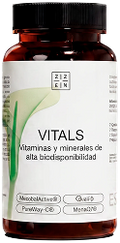
If you're looking for a nutritional base that includes vitamin D3, K2, vitamin C and calcium, Vitals is the ZZEN Labs formula that brings together ten nutrients in a single dose; you can review the full composition on the product page.
![[ES]](http://zzenlabs.com/cdn/shop/files/01-Es_c9420fea-8163-451d-a710-e88a9873fdfe.png?v=1788061755&width=600)
Vitals | Vitality and Immune Health
27,90 € View Vitals | Vitality and Immune Health →For those who want to cover magnesium specifically, Magnesium 7+ is the brand's formula made up of seven magnesium salts; check the product page for the detailed composition and positioning.
![[es] Suplemento de magnesio](http://zzenlabs.com/cdn/shop/files/image_32efffc5-8b9f-410c-aa85-9b605d968109.png?v=1775459304&width=600)
Magnesium 7+
27,90 € View Magnesium 7+ →The appropriate guideline, dose and duration depend on the nutrient, the individual diet, what's indicated on the label and, where appropriate, the recommendation of a health professional.
Mental state in winter: what basic supplementation doesn't always cover
Winter doesn't only test your defences. Cognitive fatigue, difficulty concentrating and low mood also have a dimension that goes beyond the intake of basic micronutrients.
Less exposure to natural light can affect circadian rhythms and alter the melatonin signal, with consequences for the sleep-wake cycle. Accumulated stress, work demands and, if the routine becomes more sedentary, reduced physical activity contribute to that picture.
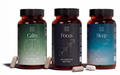
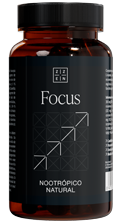
In that context, natural nootropics can play a complementary role. ZZEN Focus is a formula designed for cognitive support during the day.
![[es] Bote ZZEN Focus](http://zzenlabs.com/cdn/shop/files/Ingles01_1_3cc39391-b7c6-437c-a225-3e2599c2d82b.png?v=1778876969&width=600)
ZZEN FOCUS | Natural Nootropic
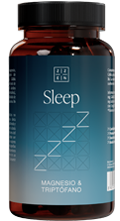
29,90 € View ZZEN FOCUS | Natural Nootropic →And if winter brings sleep disturbances, ZZEN Sleep is a ZZEN Labs formula made up of tryptophan and GABA, without added melatonin.
![[es] Bote ZZEN Sleep](http://zzenlabs.com/cdn/shop/files/Ingles01_3.png?v=1778877043&width=600)
ZZEN SLEEP | Magnesium and Tryptophan
29,90 € View ZZEN SLEEP | Magnesium and Tryptophan →Winter can be a demanding season cognitively and emotionally. Well-planned nutrition, quality rest and tools to manage stress make up a more complete approach than any supplement on its own.
If you want to explore the full ZZEN Labs range, you can check it out here.
Discover all ZZEN Labs supplements
Frequently asked questions
When is the best time to start taking winter vitamins?
Can winter vitamins prevent the flu or colds?
Can I take vitamin D and vitamin K together?
Unlock your discount
Subscribe and get your exclusive discount code.


![[es] Pack suplementos Modo ZZEN](http://zzenlabs.com/cdn/shop/files/EsfromCastellano_1.png?v=1779288372&width=320)
![[es] Bote ZZEN Focus](http://zzenlabs.com/cdn/shop/files/Ingles01_1_3cc39391-b7c6-437c-a225-3e2599c2d82b.png?v=1778876969&width=320)
![[es] Bote ZZEN Sleep](http://zzenlabs.com/cdn/shop/files/Ingles01_3.png?v=1778877043&width=320)
![[es] Nootrópico ZZEN Calm](http://zzenlabs.com/cdn/shop/files/Ingles01_2_copy.png?v=1778877108&width=320)
![[es] Suplemento de magnesio](http://zzenlabs.com/cdn/shop/files/image_32efffc5-8b9f-410c-aa85-9b605d968109.png?v=1775459304&width=320)
![[es] Suplemento Omega-3](http://zzenlabs.com/cdn/shop/files/01-Es_a19d3712-8713-447c-892d-144f0b1af417.png?v=1781970960&width=320)


