








What vitamins to take for tiredness and truly recover your energy
Tiredness that won't go away often hides vitamin and mineral deficiencies. Discover which vitamins to take for tiredness and how to truly recover your energy.

Table of contents
There's a huge difference between being tired because you slept badly one night and dragging around an exhaustion that won't go away with anything. If you've spent weeks, or months, feeling with no energy, with a foggy mind and no motivation for anything, it's most likely that your body is asking for something it isn't getting. Before resigning yourself to living in survival mode, it's worth asking which vitamins to take for tiredness and whether a smart nutritional strategy and a multivitamin can make a difference.
Why persistent tiredness doesn't always have an obvious cause
Persistent tiredness is one of the most frequent and, at the same time, most underestimated symptoms. People tend to normalise it: "it's the stress", "it's my age", "it's that I work a lot". But behind that continuous fatigue there may be vitamin and mineral deficiencies that operate silently for months without giving clear signals until the body starts failing on several fronts at once.
Cellular energy metabolism depends on a chain of biochemical reactions involving dozens of micronutrients. If any of the links is missing, even in seemingly small amounts, the whole chain slows down. The result is that you produce less ATP (your cells' energy currency), and that translates into physical fatigue, mental slowness, irritability and a slower recovery from any effort, both cognitive and physical.
What makes this situation especially treacherous is that standard blood tests don't always reflect it. You can have levels "within the normal range" on paper and still be functioning well below your real potential. That's why understanding which vitamins for energy are key and how they act can be the starting point to regain control.
The vitamins for tiredness that have the biggest impact on your energy
Not all vitamins act the same way on fatigue. Some are direct cofactors of energy production; others protect the nervous system, regulate sleep or modulate the stress response. Knowing the difference is key to avoid falling into blind supplementation that solves nothing.
The B group, the metabolic engine nobody sees
B vitamins are, without a doubt, the stars when we talk about vitamins for fatigue. B1 (thiamine), B2 (riboflavin), B3 (niacin), B5 (pantothenic acid), B6 (pyridoxine), B9 (folic acid) and B12 (cobalamin) work in a coordinated way in converting food into energy usable by the cells.
Vitamin B12 deserves a special mention. Its deficiency is especially common in people with vegetarian or vegan diets, in those over 50 and in those who chronically take certain medications for stomach acid. A low B12 level causes deep, hard-to-explain fatigue, together with difficulty concentrating, tingling and emotional dips. The good news is that correcting it usually has a quick and noticeable effect.
Vitamin B6 is involved in the synthesis of neurotransmitters such as serotonin and dopamine, which connects directly with mood and motivation. When it's scarce, tiredness isn't only physical: it's that mental and emotional exhaustion that makes everything twice as hard. B9 or folic acid, in turn, is essential for the formation of red blood cells and the transport of oxygen to the tissues. Without enough oxygen, muscles and the brain perform worse, and the result is both cognitive and physical fatigue.
Vitamin D, the great silent deficiency
If there's a vitamin whose deficiency goes massively unnoticed in the population, it's vitamin D. Studies suggest that more than half of adults in countries with long winters or predominantly indoor lifestyles have suboptimal levels of this vitamin. And one of the most consistent symptoms of that deficiency is chronic tiredness, frequently accompanied by vague muscle pain, bad mood and low resistance to infections.
Vitamin D acts more like a hormone than a classic vitamin. It has receptors in practically every tissue in the body, including the brain, and its role in regulating mood and mitochondrial function —where energy is made— is much broader than was thought a few years ago. An adequate level doesn't give you artificial or stimulating energy, but rather brings you back to baseline: the normality of feeling well.
Vitamin C and its role in reducing tiredness
Although vitamin C is almost always associated with the immune system, its function as a helper in carnitine synthesis —a molecule essential for fats to enter the mitochondria and be converted into energy— also makes it a relevant player in fatigue. In addition, it acts as an antioxidant protecting the mitochondria from the oxidative damage that accumulates in situations of continued stress or overtraining.
People with low vitamin C levels tend to feel more exhausted, with less tolerance to effort and slower recovery. And although its severe deficiency is uncommon in countries with varied access to fruits and vegetables, suboptimal levels —which don't reach clinical deficiency but do impact performance— are much more frequent than they seem.
![[ES]](http://zzenlabs.com/cdn/shop/files/01-Es_c9420fea-8163-451d-a710-e88a9873fdfe.png?v=1788061755&width=600)
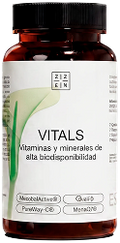
Vitals | Vitality and Immune Health
27,90 € View Vitals | Vitality and Immune Health →Vitamins and minerals that work together against fatigue
Vitamins rarely act alone. To properly understand what to take for tiredness you also have to include the minerals that work in synergy with them. Here are the most relevant:
| Nutrient | Main role in energy | Most common signs of deficiency |
|---|---|---|
| Iron | Oxygen transport in the blood | Intense fatigue, paleness, difficulty concentrating |
| Magnesium | ATP activation and muscle function | Cramps, muscle tiredness, insomnia, irritability |
| Zinc | Enzymatic cofactor in cellular metabolism | Fatigue, low immunity, slow recovery |
| Vitamin B12 | Red blood cell synthesis and nerve function | Deep fatigue, tingling, brain fog |
| Vitamin D | Hormonal and mitochondrial regulation | Diffuse tiredness, muscle pain, low mood |
| Vitamin C | Carnitine synthesis and antioxidation | Fatigue under effort, slow recovery |
Magnesium is especially relevant because it takes part in more than 300 enzymatic reactions in the body, many of them directly linked to energy production. Its deficiency causes a characteristic muscle fatigue, cramps, difficulty sleeping well and a generalised feeling of tension that is exhausting in itself. It's a mineral that is used up quickly in situations of prolonged stress, which makes it one of the most commonly deficient in people with intense lifestyles.
![[es] Suplemento de magnesio](http://zzenlabs.com/cdn/shop/files/image_32efffc5-8b9f-410c-aa85-9b605d968109.png?v=1775459304&width=600)
Magnesium 7+ | 7 magnesium salts
27,90 € View Magnesium 7+ | 7 magnesium salts →Iron is another paradigmatic case, especially in women of childbearing age. Iron-deficiency anemia —even in its earlier stages, when iron is low but there's no declared anemia yet— produces marked physical fatigue, shortness of breath under moderate effort and great difficulty maintaining concentration. Interestingly, vitamin C significantly improves the absorption of non-heme iron (the plant-based one), which reinforces the idea that these nutrients need each other.
What lies beyond vitamins for sustained energy
Covering vitamin and mineral deficiencies is essential, but there's another level of energy optimisation that goes beyond the basics. Natural nootropics and adaptogens represent a more sophisticated approach: they don't just correct what's missing, but optimise the body's systems that regulate energy, stress and cognitive performance.
ZZEN Labs' natural nootropics have been formulated precisely with this philosophy. Instead of stimulating artificially, which generates dependence and subsequent energy crashes, they act by modulating the stress response, supporting mitochondrial function and favouring a state of sustained alertness without the cost of subsequent exhaustion.
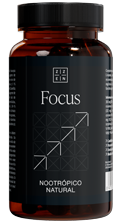
ZZEN Focus, for example, is designed to improve cognitive performance and concentration in high-demand moments, combining clinically backed ingredients that help maintain mental energy for hours.
![[es] Bote ZZEN Focus](http://zzenlabs.com/cdn/shop/files/Ingles01_1_3cc39391-b7c6-437c-a225-3e2599c2d82b.png?v=1778876969&width=600)
ZZEN FOCUS | Natural Nootropic
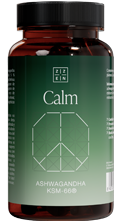
29,90 € View ZZEN FOCUS | Natural Nootropic →ZZEN Calm works on the stress axis: when cortisol spikes chronically, it drains the body's energy in a way no coffee can compensate for.
![[es] Nootrópico ZZEN Calm](http://zzenlabs.com/cdn/shop/files/Ingles01_2_copy.png?v=1778877108&width=600)
ZZEN CALM | Ashwagandha KSM-66
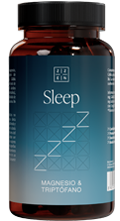
29,90 € View ZZEN CALM | Ashwagandha KSM-66 →And ZZEN Sleep tackles one of the biggest saboteurs of daily energy: sleep quality. Sleeping well isn't just resting; it's the moment when the body regenerates neurotransmitters, consolidates memory and recharges energy reserves for the next day.
![[es] Bote ZZEN Sleep](http://zzenlabs.com/cdn/shop/files/Ingles01_3.png?v=1778877043&width=600)
ZZEN SLEEP | Tryptophan and GABA
29,90 € View ZZEN SLEEP | Tryptophan and GABA →Real energy isn't made with stimulants. It's built by optimising sleep, managing stress and giving the body the nutrients it needs to produce it from within.
How to know if your tiredness is due to a nutritional deficiency
Not all tiredness has the same cause, and not all deficiencies produce the same type of fatigue. Here are some clues that can guide you:
- Tiredness on waking even though you've slept enough hours: it may indicate a magnesium deficiency, sleep-quality problems or low vitamin D levels.
- Fatigue that appears especially with physical effort: it may point to an iron, B12 or vitamin C deficiency.
- Mental exhaustion, cognitive fog and difficulty concentrating: usually related to a B6, B9, B12 deficiency or to poor stress management.
- Tiredness accompanied by irritability or low mood: it may be related to low levels of vitamin D, magnesium or to alterations in the neurotransmitters that the B group helps synthesise.
- Fatigue that worsens with stress: a sign that the autonomic nervous system is under chronic pressure and may benefit from an adaptogenic approach.
Identifying the profile of your fatigue lets you act with precision. Supplementing vitamins at random can have some effect, but knowing what your real weak points are, ideally with the support of a blood test, lets you build a strategy that really works.
How long vitamins for fatigue take to work
One of the most frequent questions when someone starts supplementing vitamins for tiredness is how long it takes to notice the result. The honest answer is that it depends on the degree of deficiency and the type of nutrient.
In general, the first noticeable changes with correct supplementation of B vitamins or vitamin C are usually felt in two to four weeks. Vitamin D, being fat-soluble and stored in fatty tissue, may need between six and twelve weeks to raise levels significantly and for the effects to be clearly perceptible. Iron, in cases of iron deficiency, can take between one and three months to correct the associated fatigue, although ferritin may not fully normalise until three or four months.
Nootropics and adaptogens work differently: some effects, such as improved concentration or reduced acute stress, can be noticed within days. The structural effects on the nervous system and sustained performance consolidate with continued use over weeks.
Tip: To maximise the absorption of fat-soluble vitamins (D, A, E, K), always take them with a meal that contains some healthy fat, such as avocado, olive oil or nuts. They make a real difference in bioavailability.
Try the ZZEN Labs multivitaminA complete approach to stop dragging around tiredness
Persistent tiredness isn't just a sign that you've slept little or that you're going through a hard time. It's the way your body tells you that something in the system is failing: it may be a vitamin and mineral deficiency, a chronified stress response, sleep that doesn't restore or a combination of all of the above.
Knowing which vitamins to take for tiredness —B12, D, the B group, C, magnesium, iron— is the first step. But the second, equally important, is understanding that there's an additional layer of optimisation where science-backed natural nootropics can make the difference between surviving the day and truly performing. What those who have already tried ZZEN Labs formulas tell us most is that it's not that they suddenly have more energy artificially, but that they simply stop feeling that constant drag that stopped them functioning well. And that's exactly the difference between stimulating and optimising.
Discover all ZZEN Labs supplementsDo you need help with anything?
If you have any questions about anything you've seen, please contact our friendly support team.
Chat nowUnlock your discount
Subscribe and get your exclusive discount code.


![[es] Pack suplementos Modo ZZEN](http://zzenlabs.com/cdn/shop/files/EsfromCastellano_1.png?v=1779288372&width=320)
![[es] Bote ZZEN Focus](http://zzenlabs.com/cdn/shop/files/Ingles01_1_3cc39391-b7c6-437c-a225-3e2599c2d82b.png?v=1778876969&width=320)
![[es] Bote ZZEN Sleep](http://zzenlabs.com/cdn/shop/files/Ingles01_3.png?v=1778877043&width=320)
![[es] Nootrópico ZZEN Calm](http://zzenlabs.com/cdn/shop/files/Ingles01_2_copy.png?v=1778877108&width=320)
![[es] Suplemento de magnesio](http://zzenlabs.com/cdn/shop/files/image_32efffc5-8b9f-410c-aa85-9b605d968109.png?v=1775459304&width=320)
![[es] Suplemento Omega-3](http://zzenlabs.com/cdn/shop/files/01-Es_a19d3712-8713-447c-892d-144f0b1af417.png?v=1781970960&width=320)


