











Benefits of taking magnesium: what it does in your body and how to choose the right one
Magnesium is involved in more than 300 functions in the body. Discover its real benefits, how to know if you're deficient, and which type of magnesium to choose based on what you need.

Table of contents
Magnesium is probably the most underrated mineral of all the ones your body needs. It's on the lips of nutritionists, doctors and elite athletes, yet most people still don't really know what magnesium is for or why its deficiency is so common in today's society.
In this article we explain everything: what magnesium is, what its main health benefits are, how it acts in the human body, what types exist and which is the best one to take depending on your goal. No exaggerated promises. Just truthful information, backed by science.
What is magnesium and why is it so important?
Magnesium is an essential macromineral, meaning a mineral the body needs in relatively large amounts to function properly. It's the fourth most abundant mineral in the human body: the adult body contains approximately 25 grams of magnesium, of which between 50 and 60% is concentrated in the bones, 30% in the muscles and the rest in organs, the nervous system and the immune system.
What makes magnesium especially important is the breadth of its biological role. According to the National Institutes of Health (NIH) in the United States and the Harvard School of Public Health, magnesium takes part in more than 300 different enzymatic reactions. Some more recent sources raise that figure to around 600 reactions, which makes this mineral a central player in practically every system in the body.
Its main functions include: energy production at the cellular level, muscle contraction and relaxation, transmission of nerve impulses, DNA and protein synthesis, blood glucose balance and the maintenance of bone and cardiovascular health.
What is magnesium for in the human body?
Before talking about the specific benefits of taking magnesium, it's important to understand how this mineral acts in the body:
ATP production: Magnesium is needed to activate ATP (adenosine triphosphate), the main energy molecule of cells. Without magnesium, energy production is compromised.
Muscle function: It acts antagonistically to calcium. While calcium triggers muscle contraction, magnesium induces relaxation. A proper balance between the two is essential to avoid cramps and spasms.
Nervous system: It regulates the transmission of nerve signals and modulates the receptors of the neurotransmitter GABA, which has a calming effect on the central nervous system.
Bone health: Magnesium helps regulate calcium metabolism and contributes to bone mineralisation, being as important as calcium itself for bone density.
Glycaemic regulation: It improves insulin sensitivity and contributes to controlling blood sugar levels.
Cardiovascular health: It regulates heart rhythm, relaxes the walls of blood vessels and helps keep blood pressure within healthy ranges.
Main health benefits of magnesium
1. Reduces tiredness and fatigue
One of the most documented and recognised benefits of magnesium is its ability to combat fatigue. By intervening directly in energy metabolism, specifically in ATP production, an adequate level of magnesium allows cells to generate and use energy more efficiently. When there's a magnesium deficiency, it's common to feel chronic tiredness that isn't explained by lack of sleep.
2. Promotes muscle relaxation and prevents cramps
Magnesium is essential for muscles to be able to relax after contracting. Low levels of this mineral are directly associated with muscle cramps, spasms, chronic muscle tension and even restless legs syndrome. This is especially relevant for athletes, people who spend many hours sitting or older people.
3. Supports bone health
Although calcium usually takes all the spotlight when we talk about bones, magnesium is equally indispensable. Several studies have shown a direct relationship between magnesium intake and bone mineral density, in both men and women. Magnesium helps regulate calcium metabolism and takes part in the formation of tooth enamel, which makes it a key mineral for bone and dental health, especially in women from menopause onwards.
4. Contributes to the balance of the nervous system and mental health
Magnesium has a clearly calming effect on the nervous system. It's involved in regulating neurotransmitters such as GABA (with an inhibitory effect) and partially blocks the activation of the NMDA receptor, which helps reduce neuronal over-excitation. This action is associated with a greater sense of calm, reduced anxiety and better stress management. Some studies suggest that magnesium levels may be related to the risk of depression, although research in this field is still advancing.
5. Improves sleep quality
Magnesium regulates GABA and takes part in the production of melatonin, two key players in the sleep-wake cycle. Observational studies show a correlation between higher magnesium intake and better sleep quality. In addition, by relaxing the muscles and calming the nervous system, it eases the transition into deep sleep. People with a magnesium deficiency often report greater difficulty falling asleep and frequent night-time awakenings.
6. Benefits of magnesium for cardiovascular health
Magnesium acts on the heart muscle and blood vessels. It relaxes the arterial walls, which helps reduce blood pressure. It also has a stabilising effect on heart rhythm, to the point that in some clinical contexts it's used to treat certain arrhythmias. It's also associated with a reduction in triglycerides and cholesterol, and with a lower risk of metabolic syndrome.
7. Regulates blood sugar and improves insulin sensitivity
Magnesium contributes to normal energy metabolism and improves insulin sensitivity, that is, the ability of muscles and the liver to absorb glucose from the bloodstream. Prospective studies show that adequate magnesium intake is associated with a lower risk of type 2 diabetes and metabolic syndrome.
8. May help prevent or reduce migraines
Patients with frequent migraines tend to have lower magnesium levels in blood and tissues than the general population. Magnesium can influence neurotransmitters and the constriction of cerebral blood vessels, two mechanisms directly related to migraine episodes. Some clinical guidelines already consider magnesium supplementation as a preventive option in people with chronic migraine.
9. Supports cognitive function and brain plasticity
Magnesium boosts what is known as brain plasticity, that is, the brain's ability to form new neuronal connections. It has been observed to contribute to memory and learning, and its deficiency is associated with greater brain fog and difficulty concentrating.
Benefits of magnesium for women: what is it especially useful for?
Women can benefit from magnesium in an especially significant way at different stages of life:
During the menstrual cycle: Magnesium can relieve abdominal cramps and premenstrual discomfort, since it acts directly on muscle relaxation and hormonal regulation.
During pregnancy: Magnesium needs increase, reaching 350-360 mg per day according to the NIH. Magnesium contributes to proper fetal development, muscle balance and blood pressure stability.
In perimenopause and menopause: Magnesium has especially relevant effects at this stage, as it contributes to bone health (preventing osteoporosis), can relieve certain symptoms related to stress and anxiety, and supports the balance of the nervous system.
Symptoms of magnesium deficiency: how to know if you're lacking it?
Magnesium deficiency is more common than people think, especially in diets rich in ultra-processed foods and low in fresh vegetables. Some signs that may indicate low magnesium levels:
Frequent muscle cramps
Chronic tiredness with no apparent cause
Difficulty sleeping or poor-quality sleep
Irritability, anxiety or mood swings
Frequent headaches or migraines
Chronic muscle tension
Palpitations or mild arrhythmias
Difficulty concentrating or brain fog
Certain groups are at higher risk of deficiency: older people, athletes, people with high stress levels, those who follow diets rich in alcohol or ultra-processed foods, and people with gastrointestinal diseases or type 2 diabetes.
Foods rich in magnesium
The first line of action to maintain optimal magnesium levels is always diet. The main food sources of magnesium are:
Food |
Approximate magnesium content |
Pumpkin seeds (30 g) |
~262 mg |
Almonds (28 g) |
~80 mg |
Cooked spinach (half a cup) |
~78 mg |
Cashews (28 g) |
~74 mg |
Dark chocolate 70-85% (28 g) |
~65 mg |
Cooked black beans (half a cup) |
~60 mg |
Avocado (1 medium) |
~44 mg |
Brown rice (half a cup cooked) |
~42 mg |
Banana (1 medium) |
~32 mg |
Source: Academy of Nutrition and Dietetics of the United States / Harvard Health Publishing
A varied diet with leafy green vegetables, legumes, nuts, seeds and whole grains can provide a sufficient amount of magnesium. However, factors such as chronic stress, intense exercise, age or certain conditions increase needs beyond what diet can cover.
How much magnesium does the body need per day?
According to the National Institutes of Health (NIH) in the United States, the recommended daily amount for adults is:
Men: 400–420 mg/day
Women: 310–320 mg/day
Pregnant women: 350–360 mg/day
These figures can vary in people with greater physiological demand: athletes, people with high stress or a documented deficiency.
Types of magnesium: which is the best to take
Not all magnesium supplements are the same. The chemical form in which magnesium is presented determines its bioavailability (how much the body actually absorbs) and its specific effects. This is one of the most frequently asked questions: which is the best magnesium to take? The answer depends on your goal:
Form of magnesium |
Main characteristics |
Best for |
Magnesium citrate |
High bioavailability, may have a mild laxative effect |
General use, occasional constipation |
Bisglycinate / Glycinate |
Chelated with glycine, very high absorption, excellent digestive tolerance |
Relaxation, sleep, nervous system |
Malate |
Bound to malic acid, supports energy production |
Fatigue, physical performance |
Taurate |
Bound to taurine, cardiovascular effect |
Heart health |
Threonate |
Easily crosses the blood-brain barrier |
Cognitive function, memory |
Gluconate |
Good digestive tolerance |
General use, everyday supplementation |
Oxide |
Low bioavailability, laxative effect |
Not recommended as a nutritional supplement |
Why combine several forms of magnesium?
Each form of magnesium acts preferentially on different tissues or systems. That's why the most advanced strategy in supplementation is to combine multiple magnesium salts in a single product, which allows for a more complete action and optimised absorption regardless of the pH of the digestive tract.
Benefits of magnesium citrate: the most sought-after
Magnesium citrate is, by far, the most popular form of magnesium. Its high bioavailability makes it effective at raising magnesium levels in the body. The benefits of magnesium citrate include:
Support for muscle and nerve function
Reduction of cramps and muscle tension
Contribution to the balance of the nervous system
Improved intestinal transit in case of constipation
Support for bone health
Contraindications of magnesium citrate: In high doses it can cause diarrhoea or digestive discomfort. It's not recommended for people with severe kidney failure without medical supervision. People with chronic diseases or who take medication should consult their doctor before starting supplementation.
ZZEN Magnesium 7+: the complete formula from ZZEN Labs
At ZZEN Labs we've developed ZZEN Magnesium 7+, a formula that combines 7 different magnesium salts to offer multi-level supplementation: different forms of magnesium that act in a complementary way on the body, with high bioavailability and without compromising digestive tolerance.
Why 7 forms? Because the different magnesium salts are absorbed differently depending on the pH of the digestive tract. Combining them means magnesium is available to the body at different moments and contexts, optimising the coverage of your real needs.
ZZEN Magnesium 7+ is designed for:
People looking for complete, quality supplementation
Those who feel chronic fatigue or tiredness
Athletes or physically active people
People with high stress levels
Those who want to support their bone, muscle or cardiovascular health in an integral way
ZZEN Magnesium 7+ vs. ZZEN Sleep: which do you need?
This is a doubt that may come to mind and the answer is simple: they are products designed with different goals, but which can complement each other perfectly.
ZZEN Magnesium 7+ |
ZZEN Sleep |
|
Main goal |
Integral magnesium supplementation |
Improve sleep quality |
Form of magnesium |
7 different salts (complete coverage) |
Magnesium bisglycinate (maximum night-time absorption) |
Other ingredients |
Magnesium-focused formula |
L-tryptophan, GABA, valerian, zinc, vitamin B6 |
When to take it |
As part of the daily routine |
Before sleeping |
For whom |
Those looking for integral coverage of the mineral |
Those who have trouble sleeping or resting |
ZZEN Magnesium 7+ is the option when your goal is to make sure your body has the magnesium it needs to function optimally in all its systems: muscular, nervous, bone, energy and cardiovascular.
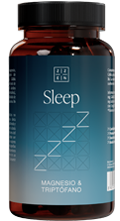
ZZEN Sleep is the choice when the focus is on night-time rest. It incorporates magnesium bisglycinate, one of the forms with the highest bioavailability and best digestive tolerance, combined with L-tryptophan, GABA and valerian: a synergy of ingredients designed specifically to help the body relax and prepare for deep sleep.
Can they be taken together? Yes. In fact, it's a combination that makes sense: ZZEN Magnesium 7+ covers the integral daily magnesium needs, while ZZEN Sleep provides specific support for night-time rest with its formula of synergistic ingredients. They are complementary products, not competitors.
And what about Modo ZZEN? The complete wellbeing system
If you're looking for an integral approach to wellbeing, the Modo ZZEN is the pack that combines ZZEN Labs' three star nootropics: ZZEN Focus (concentration and energy), ZZEN Calm (stress management with Ashwagandha KSM-66) and ZZEN Sleep (deep rest). A complete protocol for the three pillars of performance: mind, stress management and rest.
When and how to take magnesium?
The most recommended time of day to take magnesium depends on the goal and the type of supplement:
For energy and performance: In the morning or before exercise
For relaxation and sleep: At night, before going to bed
For general use: It can be taken with or without food, although in people with a sensitive stomach it's preferable to take it with a light meal
In any case, consistency is essential. Magnesium is not a supplement with an immediate effect: the most significant benefits are seen with regular, sustained use over time.
Conclusion: magnesium, a basic you shouldn't be missing
Does magnesium have side effects?
At adequate doses, magnesium from supplements is safe for most people. At very high doses it can cause digestive discomfort, especially in forms such as magnesium citrate or oxide. Serious magnesium excess is uncommon in healthy people, since the kidneys regulate its excretion.
Can magnesium be taken every day?
Yes. Magnesium is an essential mineral that the body needs daily and doesn't store in large amounts. Continued daily supplementation is the most effective way to maintain optimal levels.
Does magnesium really help you sleep?
There is evidence that magnesium regulates GABA and melatonin, two key factors in sleep. Observational studies show a relationship between higher magnesium intake and better sleep quality. However, it isn't a magic solution: it works best when integrated into a healthy rest routine.
Does magnesium help with anxiety?
Magnesium has a modulating effect on the nervous system, and some studies suggest it may contribute to reducing symptoms of mild anxiety. It doesn't replace medical treatment in cases of clinical anxiety, but it can be a valuable support within a comprehensive approach.
Which magnesium is best absorbed?
Chelated forms (bisglycinate, malate, citrate) generally have greater bioavailability than magnesium oxide. Combining several forms, as the ZZEN Magnesium 7+ formula does, makes it possible to optimise absorption in different conditions and tissues.
Conclusion: magnesium, a basic you shouldn't be without
Magnesium is not a fad or a miracle supplement. It's an essential mineral whose deficiency is silent, gradual and more common than it seems, especially in modern societies with diets low in fresh foods and high levels of chronic stress.
Its benefits are broad, documented and relevant for people of all ages: from bone and muscle health to cognitive function, rest, stress management or cardiovascular health. Taking quality magnesium, in the right form and dose, can make a real difference in how you feel every day.
At ZZEN Labs we've been clear about it from the start. That's why we've formulated ZZEN Magnesium 7+ with 7 carefully selected magnesium salts to offer complete, effective and well-tolerated supplementation. No shortcuts, no magic formulas. Just science and rigour at the service of your wellbeing.
Frequently asked questions
Does magnesium have side effects?
Can you take magnesium every day?
Does magnesium really help you sleep?
Is magnesium good for anxiety?
Which magnesium is best absorbed?
Do you need help with anything?
If you have any questions about anything you've seen, please contact our friendly support team.
Chat nowUnlock your discount
Subscribe and get your exclusive discount code.


![[es] Pack suplementos Modo ZZEN](http://zzenlabs.com/cdn/shop/files/EsfromCastellano_1.png?v=1779288372&width=320)
![[es] Bote ZZEN Focus](http://zzenlabs.com/cdn/shop/files/Ingles01_1_3cc39391-b7c6-437c-a225-3e2599c2d82b.png?v=1778876969&width=320)
![[es] Bote ZZEN Sleep](http://zzenlabs.com/cdn/shop/files/Ingles01_3.png?v=1778877043&width=320)
![[es] Nootrópico ZZEN Calm](http://zzenlabs.com/cdn/shop/files/Ingles01_2_copy.png?v=1778877108&width=320)
![[es] Suplemento de magnesio](http://zzenlabs.com/cdn/shop/files/image_32efffc5-8b9f-410c-aa85-9b605d968109.png?v=1775459304&width=320)
![[es] Suplemento Omega-3](http://zzenlabs.com/cdn/shop/files/01-Es_a19d3712-8713-447c-892d-144f0b1af417.png?v=1781970960&width=320)


