








What a multivitamin is for and when you really need it
A daily multivitamin brings together the essential vitamins and minerals your body needs in a single dose. We explain what it's really for, who needs it and how to choose the best formula.

Table of contents
Understanding what a multivitamin is for helps explain why so many people have made it part of their routine. A daily multivitamin delivers, in a single dose, the essential vitamins and minerals the body needs to keep energy, the nervous system, the immune defences and mental performance in good shape. It doesn't replace a varied diet or a professional protocol when there is a diagnosed deficiency, but it does practically cover the key micronutrients that are hard to get consistently through food. In this guide you'll see what a multivitamin is, what a multivitamin supplement is for and when it makes sense to add it to your day-to-day.
What a multivitamin is and what it contains exactly
A multivitamin is a dietary supplement formulated to provide the body with a combination of vitamins and minerals, and sometimes other nutritional compounds, in a single daily dose. It can come as capsules, tablets, powders or liquids, and its composition varies enormously depending on the brand or the goal it's designed for.
What sets a multivitamin apart from an isolated supplement is precisely its all-in-one nature: instead of providing only vitamin C or only iron, it brings together a broad spectrum of micronutrients the body needs to function properly in a single format. These micronutrients include B vitamins, vitamin C, vitamin D, vitamin E, vitamin K and minerals such as zinc, magnesium, calcium, iron and selenium, among others.
It's important to understand that there is no universal standard for what a multivitamin should contain or in what amounts. That's why two products with the same name on the label can have radically different compositions. Reading the label and comparing the percentages against the daily reference intakes is a habit that makes the difference between taking something useful and spending money on something irrelevant for your specific profile.
What a multivitamin supplement is for according to science
The central question: what is a multivitamin supplement really for? The honest answer is that it depends. It depends on who takes it, how they eat and what their health situation is. That said, science has identified specific functions where these supplements can make a real difference.
First, filling the nutritional gaps in the diet. Although a balanced, varied diet should provide all the necessary micronutrients, the reality is that many people have eating patterns that leave out entire food groups, whether due to preferences, restrictions or pace of life. In these cases, a daily multivitamin acts as a nutritional safety net.
Second, supporting the immune system, energy production and neurological health. Nutrients such as vitamin B12, iron, zinc and vitamin D take part in essential metabolic processes. A sustained shortage of any of them can translate into chronic fatigue, reduced concentration, greater susceptibility to infections or mood disturbances. However, it's worth being precise here: multivitamins make up for deficits, they don't boost capacities that are already covered. If your body already has enough vitamin D, taking more won't make you feel better.
Third, observational studies have shown that people who take a multivitamin regularly are more likely to reach the recommended micronutrient concentrations than those who don't. Nevertheless, these studies also reveal that such people tend to have healthier diets and lifestyles overall, which makes it hard to isolate the specific effect of the supplement. The scientific evidence does not solidly support the idea that multivitamins prevent chronic diseases in people without identified nutritional deficiencies.
Key vitamins and minerals in a daily multivitamin
To understand the real value of a daily multivitamin, it's worth pausing on the most relevant micronutrients and what each one brings to the body. The table below summarises the main components you usually find in a complete formula and their main function:
| Micronutrient | Main function | Groups at higher risk of deficiency |
|---|---|---|
| Vitamin B12 | Neurological health and red blood cell formation | Vegans, vegetarians, over-50s |
| Vitamin D | Bone health, immunity and mood regulation | People with little sun exposure |
| Iron | Oxygen transport in the blood | Women of childbearing age, athletes |
| Zinc | Immune function and protein synthesis | Diets low in animal protein |
| Magnesium | Nervous system, muscle and energy metabolism | High physical demand or chronic stress |
| Folic acid (B9) | Cell division and fetal development | Pregnant women or those trying to conceive |
| Vitamin C | Antioxidant, collagen and immunity | Diets low in fruit and vegetables |
| Calcium | Bone density and muscle function | Postmenopausal women, lactose intolerant |
This table isn't meant to be exhaustive, but rather a guide. What it reveals is something important: micronutrients don't act alone. Many work in synergy, and a deficiency in one can affect the absorption or effectiveness of another. That's why the logic of "taking one of everything" makes sense as a basic preventive strategy, as long as it's done within safe ranges and with professional supervision when there are specific health conditions.
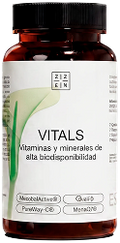
Discover Vitals to cover your daily vitamin and mineral base
Who really benefits from taking a multivitamin
Not everyone needs a multivitamin, but there are specific profiles where its use is well founded. Knowing them helps you assess whether you're one of them, without falling into the trap of indiscriminate use.
- People who follow restrictive diets, such as vegetarians and vegans, who are at higher risk of deficiency in vitamin B12, iron, zinc and omega-3. A multivitamin designed for their needs can be a valuable tool.
- Women of childbearing age and pregnant women, especially because of folic acid, essential to prevent neural tube defects in fetal development. Iron is also relevant since menstruation causes regular losses.
- People over 50, in whom the intestinal absorption of certain nutrients such as B12, vitamin D and calcium tends to decline with age.
- Those who suffer from intestinal malabsorption problems, including people with celiac disease, Crohn's disease or those who have undergone bariatric surgery. In these cases, supplementation is not optional but necessary.
- People with a high stress load or a very demanding lifestyle, in whom certain micronutrients are used up faster. This is also where the ZZEN Labs approach becomes relevant: understanding that a body under pressure has different nutritional needs.
- Exclusively breastfed babies, who may require vitamin D supplementation according to current pediatric guidelines.
When a multivitamin is not enough
Assuming that a multivitamin covers everything is one of the most common mistakes. There are situations where the deficiency is so specific and deep that a generic multivitamin supplement isn't enough. In those cases, single-dose supplements and clinically adjusted dosages are needed.
For example, someone with diagnosed iron-deficiency anemia needs therapeutic doses of iron that a standard multivitamin can't provide. Likewise, a severe vitamin D deficiency requires an individualised repletion protocol, not the 400-800 IU that a general vitamin complex usually contains. The multivitamin works as prevention and maintenance, not as treatment.
Another relevant point is that excessive supplementation carries real risks. High vitamin A intake can cause toxicity, excess calcium can interfere with iron absorption and increase the risk of kidney stones, and very high doses of certain fat-soluble vitamins, such as D or E, can accumulate in the body with adverse effects. Moderation and adjustment to individual needs are not just precautionary recommendations: they are the foundation of smart supplementation.
ZZEN Labs tip: Before adding any multivitamin supplement to your routine, ask your doctor for a complete blood test. Knowing your real levels of B12, vitamin D, iron and other micronutrients will let you choose the most suitable product and avoid both deficits and excesses.
The link between micronutrients, stress and cognitive function
There's a dimension of the daily multivitamin that is often underestimated: its impact on the nervous system and mental function. Micronutrients such as magnesium, B vitamins, zinc and iron are cofactors in the production of neurotransmitters like serotonin, dopamine and GABA. When their presence in the body is insufficient, the consequences can show up as brain fog, difficulty concentrating, irritability or insomnia.
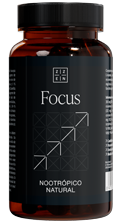
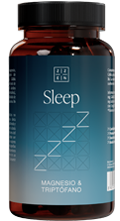
This is precisely where the ZZEN Labs philosophy connects with the discussion about multivitamins. At ZZEN Labs we understand that cognitive and emotional wellbeing doesn't depend solely on habits, but also on biochemistry. A solid nutritional base is the first pillar on which a focused, calm and rested mind is built. That's why our formulas, ZZEN Focus, ZZEN Sleep and ZZEN Calm, are designed to work at that deep level, with ingredients backed by science and validated by leading doctors, complementing a good nutritional base.
That said, even the best natural nootropic loses part of its potential if the body is dragging basic micronutrient deficits. The synergy between proper nutrition and smart, specific supplementation is what makes the difference in real day-to-day performance.
How to choose a good daily multivitamin
Not all multivitamins are equal, and choosing well requires knowing what to look for beyond the packaging marketing. These are the most important criteria to keep in mind:
- Bioavailable forms of the nutrients. Magnesium oxide, with very low absorption, is not the same as citrate or bisglycinate. The same applies to iron, zinc or vitamin B12. Look for chelated or methylated forms whenever possible.
- Doses adjusted to the daily references. A good daily multivitamin provides percentages close to 100% of the reference intakes, without overdoing it. Megadoses in a general vitamin complex are more of a risk than a benefit.
- No unnecessary additives. Many supplements in effervescent or liquid form contain artificial sweeteners that can cause digestive discomfort in sensitive people. Check the full ingredient list, not just the active ones.
- Adapted to your profile. There are formulas differentiated by sex, age or lifestyle. An active 35-year-old woman has different needs from a sedentary 60-year-old man. Personalisation matters.
- With scientific or professional backing. Be wary of products that promise miraculous effects without studies to support them. Serious supplementation is based on evidence, not trends.
What a multivitamin can't do for you
Let's finish honestly: a multivitamin is not a substitute for good nutrition, sleeping well, moving or managing stress. Science is clear on this point: in people who already follow a varied, balanced diet and have no identified deficits, the benefits of taking a multivitamin are modest and inconclusive when it comes to preventing chronic diseases.
What a good multivitamin can do is close real nutritional gaps, act as insurance against the inevitable imperfection of the everyday diet and, in specific risk profiles, make a significant difference in overall wellbeing. Used wisely, that's already a lot.
Build your complete routine with Modo ZZEN
If your goal goes beyond covering the basics and you want to work on specific areas such as mental focus, sleep quality or stress management, general nutrition is only the beginning. Supplements designed with a clear purpose, like the ones we develop at ZZEN Labs, are the next level of a well-built wellbeing strategy.
Frequently asked questions
What is a multivitamin?
What is a multivitamin supplement for?
Can you take a multivitamin every day?
Do you need help with anything?
If you have any questions about anything you've seen, please contact our friendly support team.
Chat nowUnlock your discount
Subscribe and get your exclusive discount code.


![[es] Pack suplementos Modo ZZEN](http://zzenlabs.com/cdn/shop/files/EsfromCastellano_1.png?v=1779288372&width=320)
![[es] Bote ZZEN Focus](http://zzenlabs.com/cdn/shop/files/Ingles01_1_3cc39391-b7c6-437c-a225-3e2599c2d82b.png?v=1778876969&width=320)
![[es] Bote ZZEN Sleep](http://zzenlabs.com/cdn/shop/files/Ingles01_3.png?v=1778877043&width=320)
![[es] Nootrópico ZZEN Calm](http://zzenlabs.com/cdn/shop/files/Ingles01_2_copy.png?v=1778877108&width=320)
![[es] Suplemento de magnesio](http://zzenlabs.com/cdn/shop/files/image_32efffc5-8b9f-410c-aa85-9b605d968109.png?v=1775459304&width=320)
![[es] Suplemento Omega-3](http://zzenlabs.com/cdn/shop/files/01-Es_a19d3712-8713-447c-892d-144f0b1af417.png?v=1781970960&width=320)


