







How to Naturally Boost Dopamine and Regain Your Motivation

Table of contents
Feeling like you have no energy when you wake up in the morning, putting off important tasks, or losing interest in activities you used to enjoy can be a sign that your dopamine levels need attention. This neurotransmitter, known as the “motivation molecule,” is essential for maintaining drive, focus, and pleasure in our daily lives.
When we understand how to naturally boost dopamine, we regain not only our lost motivation but also the ability to fully enjoy our daily activities. The good news is that there are many natural and effective strategies you can start using today.
What is dopamine, and why is it essential for your well-being?
Dopamine is a neurotransmitter that acts as a chemical messenger in the brain. It is produced mainly in specialized areas such as the substantia nigra and the ventral tegmental area, from where it coordinates functions that are essential to your quality of life.
This brain chemical regulates motivation, the reward system, learning, and memory. Every time you complete a task, enjoy a healthy meal, or achieve a goal, your brain releases dopamine as a positive reinforcement, motivating you to repeat those beneficial behaviors.
Differences between dopamine and serotonin
Although both are neurotransmitters associated with well-being, they play very different roles:
Dopamine drives you to take action and motivates you to seek rewards
Serotonin helps you feel satisfied and emotionally stable after achieving your goals
A proper balance between the two is essential for maintaining both motivation and emotional stability.
Signs that you need to boost your dopamine naturally
Recognizing the symptoms of low dopamine levels is the first step toward addressing the problem naturally. The most common signs include:
Persistent lack of motivation to start or complete tasks
Mental fatigue even after getting enough rest
Difficulty concentrating and memory problems
Loss of interest in activities you used to enjoy
Mood swings leading to apathy or discouragement
It is important to remember that these symptoms may overlap with those of other conditions, so it is always advisable to consult a healthcare professional if they persist.
Dietary strategies to naturally boost dopamine
Nutrition is one of the most powerful ways to naturally boost dopamine levels. Certain nutrients act as precursors and cofactors in the synthesis of this neurotransmitter.
Foods rich in dopamine precursors
The amino acids L-tyrosine and L-phenylalanine are the building blocks your brain needs to produce dopamine. You can find them in:
High-quality protein: lean meats, fish, eggs, and dairy products
Legumes and nuts: almonds, walnuts, chickpeas, and lentils
Seeds: pumpkin, sesame, and sunflower
Essential nutrients for dopamine synthesis
In addition to precursors, your brain needs specific cofactors to efficiently convert tyrosine into dopamine:
Iron: found in spinach, legumes, and red meat
Vitamin B6: found in abundance in bananas, chicken, and potatoes
Folic acid: found in leafy green vegetables and citrus fruits
Magnesium: available in dark chocolate, avocado, and nuts
Lifestyle habits that boost natural dopamine production
Making specific changes to your daily routine can have a significant impact on your dopamine levels. These habits work together to optimize the function of this neurotransmitter.
The Power of Regular Exercise
Physical activity is one of the most effective ways to naturally boost dopamine levels. During exercise, your brain not only releases dopamine but also increases the sensitivity of dopamine receptors.
The most beneficial types of exercise:
Aerobic exercise: running, swimming, cycling (20–30 minutes, 3–4 times a week)
Strength training: weightlifting, resistance exercises
Low-impact activities: yoga, tai chi, nature walks
Team sports: soccer, basketball, tennis
Optimizing Sleep for Dopamine Synthesis
During deep sleep, your brain not only recovers but also regulates the production and balance of neurotransmitters. To naturally increase dopamine and serotonin, it is essential to:
Maintain a regular sleep schedule (7–9 hours per night)
Create a dark and cool atmosphere in the bedroom
Avoid screens at least one hour before bedtime
Establish a relaxing bedtime routine
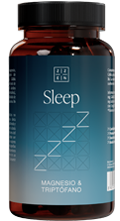
Boost Your Sleep with Sleep Supplements
Sun Exposure and Vitamin D
Natural light plays a crucial role in regulating circadian rhythms and dopamine synthesis. Vitamin D receptors are present in areas of the brain associated with dopamine production.
Recommendations for optimizing sun exposure:
15–20 minutes of morning sun without sunscreen
Working near windows during the day
Consider taking vitamin D3 supplements during months with less sunlight
Stress management techniques that promote dopaminergic balance
Chronic stress is one of dopamine's main enemies. When you're constantly stressed, your body prioritizes cortisol production over other neurotransmitters, including dopamine.
Mindfulness and meditation practices
Regular meditation not only reduces stress, but it can also naturally boost dopamine levels by improving the function of the brain regions associated with reward and motivation.
Effective mindfulness techniques:
Breathing meditation: 5–10 minutes a day, focusing on your breath
Body Scan: A Progressive Muscle Relaxation Technique
Meditación caminando: combines gentle movement with mindfulness
Walking meditation: escribir 3 cosas positivas cada día
Creative and musical activities
Music and creative activities directly activate the brain's reward circuits, stimulating the natural release of dopamine.
Listen to music you enjoy (especially when you need to concentrate)
Learning to play a musical instrument
Practicing art, creative writing, or experimental cooking
Participate in group activities such as choirs or art workshops
Natural nootropics for stress
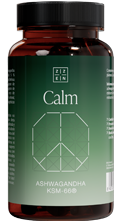
In our daily lives, we face many stressful or even anxiety-inducing moments that we may not know how to manage. To boost your emotional balance and peace of mind and keep stress and anxiety at bay, we recommend incorporating Ashwagandha KSM-66 supplements for stress into your daily routine.
Made with 100% natural ingredients and formulated exclusively with Ashwagandha KSM-66, lemon balm, and saffron, it can help you manage your daily stress.
Natural supplements to optimize dopaminergic function
While lifestyle habits are essential, certain ones suplementos naturales can provide additional support for naturally increasing dopamine levels.
Essential nutrients for dopamine synthesis
Magnesium: This mineral plays a direct role in more than 300 enzymatic reactions, including those involved in neurotransmitter synthesis. A magnesium deficiency can negatively affect dopamine production.
Vitamin D3: Vitamin D receptors are present in key areas of the brain involved in dopamine production. Adequate levels of this vitamin may help maintain neurotransmitter balance.
B Complex: Vitamins B6, B12, and folic acid work together as cofactors in the conversion of amino acids into dopamine.
Bioactive compounds with neuroprotective potential
Omega-3: These essential fatty acids help maintain the fluidity of neuronal membranes and may improve the function of dopaminergic receptors.
Natural antioxidants: compounds such as curcumin, resveratrol, and green tea polyphenols protect dopaminergic neurons from oxidative stress.
How to Maintain Optimal Dopamine Levels
Set goals and establish a reward system
Your brain releases dopamine not only when you achieve a goal, but also while you’re anticipating the reward. You can take advantage of this natural mechanism in the following ways:
Break down big goals into smaller, more achievable ones
Celebrate every achievement, no matter how small
Keep a visual record of your progress
Set healthy rewards to motivate yourself
Social connections and group activities
Positive social interactions stimulate the release of dopamine through the social reward system:
Get involved in community activities or team sports
Stay connected with family and friends
Practice acts of generosity and volunteer work
Join groups with interests similar to yours
Cognitive Challenges and Lifelong Learning
Learning something new activates the dopaminergic pathways associated with curiosity and discovery:
Learn a new language or skill
Solve puzzles, crossword puzzles, or strategy games
Read books on topics that interest you
Take online courses or attend in-person workshops
Mistakes to Avoid That Sabotage Your Dopamine
Some seemingly harmless habits can interfere with your body's natural ability to produce dopamine.
Digital overstimulation
Excessive use of social media, video games, or constant entertainment content can “overload” your dopamine receptors, causing you to need more and more stimulation to feel satisfied.
Dependence on synthetic stimulants
Excessive consumption of caffeine, refined sugar, or stimulants can cause artificial spikes in dopamine levels followed by sharp drops, disrupting the body’s natural balance.
Excessive multitasking
Trying to do too many things at once can deplete your cognitive resources and negatively affect dopaminergic function.
The path to naturally balanced dopamine levels
Boosting dopamine naturally isn't just about looking for quick fixes; it's about building a lifestyle that promotes an optimal balance of this neurotransmitter. Combining a diet rich in precursors, regular exercise, effective stress management, and strategic supplementation can significantly transform your energy, motivation, and overall well-being.
Remember that sustainable changes take time and consistency. Start by implementing one or two strategies that resonate most with you, and gradually incorporate other techniques as they become second nature.
Balanced dopamine levels are the foundation of a more fulfilling, motivated, and satisfying life. With the right tools and a natural approach, you can regain your zest for life and fully enjoy every aspect of it.
Do you need help with anything?
If you have any questions about anything you've seen, please contact our friendly support team.
Chat nowUnlock your discount
Subscribe and get your exclusive discount code.

![[es] Pack suplementos Modo ZZEN](http://zzenlabs.com/cdn/shop/files/EsfromCastellano_1.png?v=1779288372&width=320)
![[es] Bote ZZEN Focus](http://zzenlabs.com/cdn/shop/files/Ingles01_1_3cc39391-b7c6-437c-a225-3e2599c2d82b.png?v=1778876969&width=320)
![[es] Bote ZZEN Sleep](http://zzenlabs.com/cdn/shop/files/Ingles01_3.png?v=1778877043&width=320)
![[es] Nootrópico ZZEN Calm](http://zzenlabs.com/cdn/shop/files/Ingles01_2_copy.png?v=1778877108&width=320)
![[es] Suplemento de magnesio](http://zzenlabs.com/cdn/shop/files/image_32efffc5-8b9f-410c-aa85-9b605d968109.png?v=1775459304&width=320)
![[es] Suplemento Omega-3](http://zzenlabs.com/cdn/shop/files/01-Es_a19d3712-8713-447c-892d-144f0b1af417.png?v=1781970960&width=320)


