








How to disconnect from work and improve your mental wellbeing

Table of contents
According to recent studies, 71% of professionals admit that they are unable to disconnect from work, a reality that directly impacts our mental and physical wellbeing.
In a world where technology has blurred the boundaries between professional and personal life, learning to disconnect from work is not just a recommendation, but a vital necessity for preserving our mental health.
What does it really mean to disconnect from work?
Disconnecting from work goes far beyond turning off your computer or leaving the office. It's about completely freeing your mind from work concerns, establishing clear boundaries between your professional and personal life.
This disconnection implies:
Stop checking emails outside working hours
Avoid obsessive thinking about pending projects
Do not take work-related calls during your free time
Devote mental space to activities that nurture your wellbeing
True disconnection requires a conscious and sustained effort to break patterns of hyperconnectivity that have become normalised in our working environment.
Why is it so difficult to disconnect from work nowadays?
We live in an era of constant availability where technology keeps our brains in a permanent state of alert. This situation is exacerbated by several factors:
We live in an era of constant availability where technology keeps our brains in a permanent state of alert. This situation is exacerbated by several factors:
Teleworking, while offering advantages, has further blurred the boundaries between home and office. Without clear physical boundaries, it is common for personal time to be diluted by work responsibilities.
Furthermore, our brains are designed to create habit patterns. If you check your email when you wake up for weeks on end, your mind will continue to expect this routine even when you are on holiday, perpetuating the cycle of constant connection.
Effective strategies for disconnecting from work at home
Create powerful transition rituals
Developing specific rituals that mark the end of your working day is essential. Spend 10 to 15 minutes on activities that signal to your brain that work is over.
These rituals may include:
A 10-minute walk through the neighbourhood
Mindful breathing exercises
Listen to a specific relaxing playlist
Change clothes completely
Set up your digital environment for relaxation
Notification management is crucial for effective disconnection. Set your phone to automatically silence work alerts after a certain time.
Many applications allow you to set ‘do not disturb mode’ specifically for work-related contacts and applications. This technological barrier helps you maintain healthy boundaries without requiring constant willpower.
Establish separate physical spaces
If you work from home, it is essential to create specific areas for each activity. Your work area should be completely separate from your rest and leisure areas.
At the end of your working day, physically leave that space and avoid using it for personal activities. This separation helps your brain to associate each area with with its specific function.
Natural techniques for reducing work-related stress
Mindfulness and meditation for disconnection
Regular mindfulness practice is one of the most effective tools for disconnecting from work. These exercises train your mind to focus on the present, reducing rumination about work concerns.
Simple techniques include:
5-10 minutes of breathing meditation every day
Mindfulness exercises during everyday activities
Visualisation techniques to release accumulated tension
Practising gratitude before bedtime
Physical activity as a natural disconnect
Regular exercise not only improves your physical health, but also acts as a powerful stress reliever. Physical activity increases the production of endorphins, the feel-good hormones, while reducing cortisol levels.
You don't need complex routines. Simple activities such as walking, stretching, or practising yoga at home can bring about significant changes in your ability to disconnect.
Incorporate natural nootropics into your daily routine
Natural nootropics are the secret weapon of those who live hyperconnected lives.
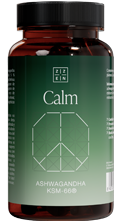
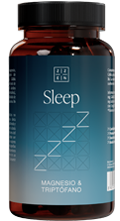
Whether it's to switch off your mind at night with sleep nootropics, or to help you disconnect and manage stress with Ashwagandha KSM-66 supplements, nootropics are a must-have for those who want to perform better and more efficiently, but also enjoy moments of relaxation.

The power of hobbies for mental health
Cultivating nterests outside of work is essential for maintaining a healthy mental balance. Hobbies provide opportunities for creativity and personal satisfaction that counteract work-related stress.
Activities such as reading, gardening, creative cooking, or learning new skills create alternative neural networks that make it easier to disconnect from work-related thought patterns.
Consequences of work-related stress on your mental health
Physical impacts of hyperconnectivity
Prolonged exposure to work-related stress without adequate downtime has significant physical consequences. Elevated cortisol levels can lead to cardiovascular problems, digestive disorders and a weakened immune system.
Common physical symptoms include persistent headaches, muscle tension, sleep problems, and chronic fatigue that does not improve with rest.
Try natural supplements such as ZZEN Calm, formulated with Ashwagandha KSM-66®, dry saffron extract, and dry Melissa extract to keep your stress levels under control.

Psychological effects of not disconnecting
Constant mental overload can lead to anxiety, irritability, and difficulty concentrating. Many people experience a feeling of being “always on alert”, which prevents true mental rest.
This situation can develop into more serious conditions such as burnout syndrome, characterised by emotional exhaustion, depersonalisation and a reduced sense of personal achievement.
Proven benefits of disconnecting from work
Improved productivity and creativity
Contrary to popular belief, disconnecting from work significantly improves professional performance. Rest periods allow the brain to process information more efficiently and generate creative solutions.
Professionals who maintain a healthy disconnect show greater concentration, better decision-making, and higher levels of innovation in their projects.
Strengthening personal relationships
Disconnecting from work allows you to devote quality time to family and friends. These social connections are essential for emotional well-being and act as protective factors against stress.
People who manage to balance work and personal life report greater overall satisfaction and stronger, more meaningful relationships.
Cognitive performance optimisation
Mental rest is essential for cognitive functions such as memory, attention, and information processing. During periods of disconnection, the brain performs consolidation processes that improve learning.
Neuroscience has demonstrated that the brain requires these moments of ‘apparent inactivity’ to reorganise information and generate new neural connections.
Your path to mental balance
Learning to disconnect from work is an investment in your long-term mental health. The benefits extend beyond stress reduction, positively impacting your creativity, personal relationships, and overall life satisfaction.
Remember that effective disconnection is a gradual process that requires practice and patience with yourself. Every small step towards work-life balance contributes to building a more fulfilling and sustainable existence.
The key is to recognise that looking after your mental wellbeing is not a luxury, but a fundamental necessity for maintaining optimal performance in all areas of your life.
Do you need help with anything?
If you have any questions about anything you've seen, please contact our friendly support team.
Chat nowUnlock your discount
Subscribe and get your exclusive discount code.


![[es] Pack suplementos Modo ZZEN](http://zzenlabs.com/cdn/shop/files/EsfromCastellano_1.png?v=1779288372&width=320)
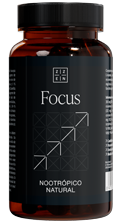
![[es] Bote ZZEN Focus](http://zzenlabs.com/cdn/shop/files/Ingles01_1_3cc39391-b7c6-437c-a225-3e2599c2d82b.png?v=1778876969&width=320)
![[es] Bote ZZEN Sleep](http://zzenlabs.com/cdn/shop/files/Ingles01_3.png?v=1778877043&width=320)
![[es] Nootrópico ZZEN Calm](http://zzenlabs.com/cdn/shop/files/Ingles01_2_copy.png?v=1778877108&width=320)
![[es] Suplemento de magnesio](http://zzenlabs.com/cdn/shop/files/image_32efffc5-8b9f-410c-aa85-9b605d968109.png?v=1775459304&width=320)
![[es] Suplemento Omega-3](http://zzenlabs.com/cdn/shop/files/01-Es_a19d3712-8713-447c-892d-144f0b1af417.png?v=1781970960&width=320)


