







Why your body is always tired and how to regain energy

Table of contents
If you wake up every morning feeling like you haven't rested, if you need multiple cups of coffee to function and even then your energy plummets in the middle of the afternoon, you are not alone. Chronic fatigue affects about a third of the population, making it one of the most common symptoms of our time.
What many people do not realise is that behind constant fatigue lie specific factors which, once identified, can be effectively addressed.
The hidden causes of constant fatigue
Understanding why you are always tired is the first step to regaining your vitality. However, fatigue rarely has a single cause; rather, it results from a combination of several factors that cumulatively affect your energy system. For example, some of the most common causes are:
Imbalances in your daily diet
Your diet plays a key role in your energy levels. When you consume too many refined carbohydrates, your body experiences sharp spikes and drops in glucose that leave you feeling exhausted. Sugar gives you immediate energy, but when it wears off, your body enters a state of deep fatigue.
The main dietary culprits include:
White bread, cakes and processed sweets
Sugary and energy drinks
Fast food rich in trans fats
Ultra-processed snacks with artificial additives
On the contrary, a balanced diet with quality proteins, healthy fats, and complex carbohydrates keeps your energy levels stable throughout the day.
The devastating impact of poor sleep quality
Not getting enough sleep is the most obvious cause, but it is not the only one related to rest. During sleep, your body releases essential hormones that regulate your metabolism and restore your energy levels. When this process is interrupted, fatigue becomes inevitable.
Physical factors that drain your energy
Silent nutritional deficiencies
Often, the body is constantly tired due to specific deficiencies that go unnoticed. Iron deficiency, even without reaching anaemia, can cause significant fatigue. The same is true for low levels of vitamin D, vitamin B12, and magnesium.
Chronic dehydration and its effects
Even mild dehydration of 1% can significantly reduce your energy levels and ability to concentrate. Your body is mainly composed of water, and when you don't have enough, all cellular processes slow down.
Some of the signs that may alert you to possible dehydration are:
Constant feeling of thirst
Fatigue with no apparent cause
Frequent headaches
Dizziness when standing up
*Do not self-diagnose; ALWAYS consult a healthcare professional.
The role of stress in chronic fatigue
Chronic stress is one of the biggest energy thieves in modern life. When your body remains in a constant state of alert, it produces excessive amounts of cortisol and adrenaline, hormones that deplete your energy reserves.
Signs that stress is affecting your energy levels
Chronic stress not only tires you mentally, but also causes profound physical changes. Your immune system weakens, your digestion is disrupted, and your ability to recover significantly decreases.
Strategies for optimising your energy levels
To combat fatigue effectively, you need a comprehensive approach that addresses all underlying causes. It's not about drinking more coffee or energy drinks, but about creating sustainable habits that nurture your natural vitality. Incorporate natural nootropics into your daily routine can help you establish healthy sleep patterns, disconnect, and focus.
Strategic nutrition to combat fatigue
Proteins that boost your metabolism
Consuming high-quality protein at every meal speeds up your metabolism and prevents sudden drops in energy. Protein requires more energy to process, keeping your system active and burning more calories even at rest.
Ideal sources of protein include:
Fish rich in omega-3 such as salmon and sardines
Lean meat from grass-fed animals
Legumes and nuts
Organic eggs from free-range hens
Smart hydration for maximum energy
Drinking water is not enough if you don't do it correctly. Your body needs electrolytes to absorb and use water efficiently. Adding a pinch of natural sea salt or consuming coconut water can significantly improve your hydration.
How to optimise your rest and recovery
1- Creating the perfect environment for sleep
Your bedroom should be a sanctuary dedicated exclusively to rest. The ideal temperature ranges between 18-20°C, the room should be completely dark and free of electronic devices that emit blue light.
2- With routines that prepare your body for rest
Establishing a consistent night-time routine tells your brain that it is time to prepare for sleep. This includes relaxing activities such as reading, gentle stretching, or deep breathing techniques.
To optimise your rest and combat fatigue, natural nootropics can be great allies. These natural supplements, backed by scientific research, work in synergy with your healthy habits to boost your mental and physical energy in a sustainable way.

Regain your natural energy step by step
Constant fatigue is not a condition you have to accept as normal. Understanding why a person is always tired empowers you to take specific actions and regain your vitality.
Remember that sustainable changes take time and patience, but every small improvement in your habits adds up to generate a significant transformation in your energy levels.
The key is to tackle fatigue from multiple angles: optimising your diet, improving your sleep quality, managing stress effectively, and staying physically active. With consistency and the right strategies, you can regain that feeling of vitality you thought was lost forever.
Do you need help with anything?
If you have any questions about anything you've seen, please contact our friendly support team.
Chat nowUnlock your discount
Subscribe and get your exclusive discount code.


![[es] Pack suplementos Modo ZZEN](http://zzenlabs.com/cdn/shop/files/EsfromCastellano_1.png?v=1779288372&width=320)
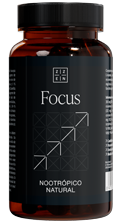
![[es] Bote ZZEN Focus](http://zzenlabs.com/cdn/shop/files/Ingles01_1_3cc39391-b7c6-437c-a225-3e2599c2d82b.png?v=1778876969&width=320)
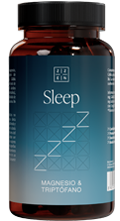
![[es] Bote ZZEN Sleep](http://zzenlabs.com/cdn/shop/files/Ingles01_3.png?v=1778877043&width=320)
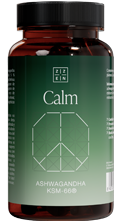
![[es] Nootrópico ZZEN Calm](http://zzenlabs.com/cdn/shop/files/Ingles01_2_copy.png?v=1778877108&width=320)
![[es] Suplemento de magnesio](http://zzenlabs.com/cdn/shop/files/image_32efffc5-8b9f-410c-aa85-9b605d968109.png?v=1775459304&width=320)
![[es] Suplemento Omega-3](http://zzenlabs.com/cdn/shop/files/01-Es_a19d3712-8713-447c-892d-144f0b1af417.png?v=1781970960&width=320)


