



What is high cortisol and how does it affect your health?
Chronically high cortisol goes unnoticed but affects your weight, sleep, memory and mood. Discover its symptoms, causes and how to reduce it naturally.

Table of contents
Living with the engine running at full speed for weeks, months or even years has a concrete biological price, and that price has a name: chronically elevated cortisol. Many people live with the symptoms of high cortisol without knowing they're there, confusing them with accumulated tiredness, poor rest or "normal stress". Understanding what high cortisol is, why it happens and what you can do about it is a useful first step to regaining control of your energy and wellbeing.
What cortisol is and why it's called the stress hormone
Cortisol is a glucocorticoid hormone produced in the cortex of the adrenal glands, two small structures located just above the kidneys. From there it's released into the bloodstream and travels to practically every tissue in the body: the nervous, immune, cardiovascular, digestive and musculoskeletal systems, among others. Few chemical messengers have such a broad reach.
Its functions under normal conditions are essential for life. Cortisol regulates the metabolism of carbohydrates, proteins and fats; controls blood glucose levels; acts as a natural anti-inflammatory; regulates blood pressure and takes part in the sleep-wake cycle. Its level isn't constant throughout the day: it reaches its highest peak in the morning, right on waking, and gradually declines until night. That circadian rhythm is key to feeling active during the day and being able to rest at night.
It's called the stress hormone because its release is triggered by any situation of threat or pressure, real or perceived. When the brain detects a danger, the hypothalamus activates a hormonal chain that culminates in the adrenal glands producing more cortisol. In that acute context, cortisol is an ally: it prepares you to react, raises your available energy, reduces immediate inflammation and puts the body on alert. The problem begins when that alarm doesn't switch off.
What happens when cortisol stays chronically elevated
The stress response was designed to be short and intense. When it's activated occasionally, like a fright, a deadline or a conflict, the body releases cortisol, resolves the situation and returns to calm. But the modern pace of life has turned that response into a permanent state. Continuous work pressure, lack of sleep, digital overstimulation and everyday anxiety keep the body on constant alert, which translates into a sustained overproduction of cortisol.
When cortisol and anxiety feed each other this way, the body starts to pay consequences on several fronts. The effects of chronic stress aren't abstractions: they show up in weight, mood, sleep quality, memory and cardiovascular health. Continuously elevated cortisol stops being protective and becomes a factor of systemic harm.
One of the most documented effects is the accumulation of abdominal fat. Chronic cortisol favours fat storage, especially in the abdomen and upper back, while promoting the breakdown of muscle tissue. It also suppresses immune function in the long term, even though it stimulates it in the short term, which leaves the body more vulnerable to infections and inflammatory processes. At the brain level, sustained excess cortisol can affect the hippocampus, the key region for memory and learning, which explains that feeling of brain fog and difficulty concentrating that accompanies periods of prolonged stress.
Symptoms of high cortisol you shouldn't ignore
Recognising the symptoms of high cortisol isn't always easy because they are diffuse and easy to attribute to other causes. However, when several of them appear at once and persist over time, it's worth paying attention. Among the most frequent signs are:
- Persistent fatigue that doesn't improve with rest, with the feeling of waking up already exhausted.
- Weight gain localised in the abdomen, upper back and back of the neck, with no significant changes in diet.
- Difficulty falling or staying asleep, especially waking up in the early hours with an active mind.
- Brain fog, short-term memory problems and lack of sustained concentration.
- Irritability, anxiety or abrupt mood swings with no apparent cause.
- High blood pressure and a feeling of frequent palpitations.
- Muscle weakness and slow recovery after exercise.
- Thin skin, a tendency to bruise and slower wound healing.
- Intense cravings for sugary or salty foods, especially in the afternoon or at night.
- Recurrent digestive problems such as bloating, irritable bowel syndrome or heartburn.
Note: if you experience more than four or five of these symptoms simultaneously for several weeks, consult a health professional. A blood or saliva cortisol test can help you get a more objective picture of your hormone levels.
The relationship between cortisol and anxiety deserves its own paragraph because it's bidirectional. Stress raises cortisol, and elevated cortisol in turn generates more anxiety, which perpetuates the cycle. That loop is one of the central mechanisms of chronic anxiety disorders, and it also explains why it's so hard to "calm down" through willpower when the hormonal system is dysregulated.
The most frequent causes of high cortisol
High cortisol can have specific medical causes or be a direct consequence of lifestyle. Understanding the origin is essential to choosing the right approach.
From a clinical point of view, the best-known medical cause is Cushing's syndrome, a disorder in which the adrenal cortex produces abnormally high amounts of cortisol in a sustained way. It can originate from tumours in the adrenal glands or the pituitary gland, or as a side effect of the prolonged use of certain corticosteroid medications such as prednisone or cortisone. Cushing's syndrome requires specific medical diagnosis and treatment, and its symptoms tend to be more pronounced than those of stress-related high cortisol.
However, the most common cause of chronically elevated cortisol in the general population isn't pathological: it's chronic stress. Constant pressure at work, sustained relational conflicts, structural sleep deficit, a sedentary lifestyle and poor eating habits are factors that activate cortisol production continuously. On top of this come excessive caffeine consumption, alcohol and ruminative or catastrophic thought patterns, which keep the nervous system in a state of permanent activation.
Other relevant causes include:
- Lack of restorative sleep: regularly sleeping less than seven hours raises baseline cortisol levels.
- Excessive physical exercise or without adequate recovery: overtraining is a powerful biological stressor.
- Very restrictive diets or prolonged fasting: they generate a metabolic stress response that triggers cortisol.
- Low-grade chronic inflammation: linked to an ultra-processed diet and a sedentary lifestyle.
How to reduce cortisol naturally with science-backed habits
Reducing cortisol naturally isn't a single gesture, but a set of changes that affect sleep, movement, nutrition and mental management. The scientific data consistently point to the most effective interventions being those that address the problem in an integral way.
Sleep is the most powerful tool. During the deep phases of sleep, cortisol drops to its lowest levels and the body carries out repair processes that no supplement can replicate on its own. Setting stable sleep schedules, limiting screen exposure in the hour before bed and keeping the bedroom dark and cool are measures with a direct and documented impact on cortisol levels.
Moderate, regular exercise reduces baseline cortisol, though with important nuances: high-intensity exercise raises cortisol in the short term, so if your levels are already high, activities such as walking, swimming, yoga or pilates may be more beneficial in a first phase. The key is regularity and adequate recovery between sessions.
Slow, deep breathing activates the parasympathetic nervous system, the physiological opposite of the stress response. Techniques such as diaphragmatic breathing, mindfulness meditation or yoga practice have solid evidence in reducing cortisol markers. You don't need hours: even ten minutes a day of consistent practice produce measurable changes within a few weeks.
Diet also matters. A diet rich in anti-inflammatory foods, such as leafy green vegetables, brightly coloured fruits, omega-3 fatty acids, nuts and legumes, reduces the inflammatory load that stimulates cortisol production. Reducing refined sugar and alcohol, which cause blood sugar spikes and disrupt sleep, is equally relevant.
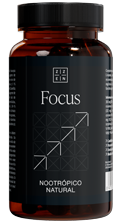
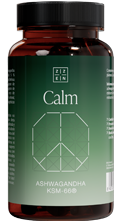
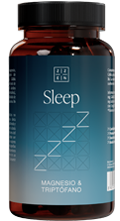
In the area of natural supplementation, certain adaptogens such as ashwagandha, rhodiola or L-theanine have studies on their role in modulating the stress response. In a ZZEN Labs routine, not all products serve the same function: ZZEN Calm fits when the focus is calm and stress management; ZZEN Sleep makes more sense if cortisol is affecting your rest; ZZEN Focus can support cognitive performance when brain fog appears; and Modo ZZEN brings together focus, calm and rest for those who need to work on their routine from several fronts and can be your best option.
The link between high cortisol and mental performance
One of the effects of high cortisol that most affects everyday quality of life is its impact on the brain. The relationship between science-based supplementation and cognitive health starts precisely from this point: when cortisol is chronically high, mental performance deteriorates systematically.
The hippocampus, a central structure in memory formation and emotional regulation, is especially vulnerable to excess glucocorticoids. Prolonged exposure reduces its volume and hinders the consolidation of new information, which translates into frequent forgetfulness, an inability to learn efficiently and a persistent feeling that "the head isn't working". Added to this is the difficulty in inhibiting intrusive or ruminating thoughts, which fuels anxiety and closes the circle.
The good news is that many of these effects can improve when stress is reduced in a sustained way. The brain has remarkable plasticity and responds well to stress reduction sustained over time. Sleep, exercise, active emotional management and well-formulated natural nootropics can help accompany that process of returning to balance. It's not about looking for shortcuts, but about supporting the body's systems with the tools that evidence backs.
Cortisol isn't the enemy. It's a signal. When it stays chronically elevated, the body is telling you that something in your lifestyle needs to change.
Try ZZEN Calm to reduce cortisol
When to see a doctor about high cortisol
Most cases of high cortisol in the general population are due to chronic stress and can be addressed with lifestyle changes and well-planned natural supplementation. However, there are situations in which it's essential to see a health professional to rule out underlying medical causes.
You should see a doctor if the symptoms are intense and persistent, if you've gained weight inexplicably in the abdominal area and the back of the neck, if you have significant muscle weakness or if you notice skin changes such as purple stretch marks, facial redness or extreme ease of bruising. These can be indicators of a clinical condition such as Cushing's syndrome that requires specific diagnosis through blood, urine or saliva tests, and in some cases imaging studies.
It's also advisable to seek professional guidance if you're taking corticosteroid medications for a prolonged time, since these raise cortisol directly and their adjustment should always be done under medical supervision. Never stop this type of medication abruptly, as it can cause an equally harmful sharp drop in cortisol.
If you have doubts about which approach is best for you or want to know more about how natural nootropics can complement your wellbeing strategy, in our frequently asked questions section you'll find clear answers about how ZZEN Labs formulas work, when to start noticing their effects and how to integrate them into your daily routine.
Discover Modo ZZEN for focus, calm and rest
What to remember about high cortisol
Understanding what high cortisol is is only the starting point. The key is to recognise the symptoms in time, identify the causes in your own context and make informed decisions to reverse the cycle. Chronic stress isn't inevitable or irreversible, but it does require an active, consistent response.
Take care of your sleep, move regularly, manage stress with concrete tools and support your body with natural ingredients that science backs. That's the path ZZEN Labs stands for: not the shortcut, but sustained balance.
Do you need help with anything?
If you have any questions about anything you've seen, please contact our friendly support team.
Chat nowUnlock your discount
Subscribe and get your exclusive discount code.