

Nootropics for athletes that transform your physical and mental performance
Table of contents
Training well, eating well and resting well are the foundation of athletic performance. That doesn't change. What also matters, and often gets less attention, is the cognitive side: concentration, managing competitive stress, alertness and the ability to stay focused as mental fatigue starts to build up.
Nootropics are substances aimed at supporting certain cognitive functions. They're relevant to sport because the brain is actively involved in every session: it coordinates movement, regulates perceived exertion, manages emotions and makes decisions continuously. This guide explains what they are, what the science says about their key ingredients, how to choose them based on your sport and which precautions are essential.
What nootropics are and why athletes are interested in them
The term "nootropic" covers substances used to support cognitive functions such as concentration, alertness, memory or mental resilience against fatigue.
In sport, these functions are far from secondary. A footballer makes tactical decisions under pressure for 90 minutes. A climber maintains technical focus with a fatigued body. A long-distance runner manages perceived exertion and motivation when the body is begging to stop. A lifter needs activation and focus right before the lift.
The cognitive functions athletes are usually most interested in are:
- Sports focus: staying focused during technical tasks or long training sessions.
- Alertness: the ability to react to stimuli and keep up the pace of decision-making.
- Mental fatigue: cognitive resilience against accumulated effort, which increases perceived exertion.
- Competitive stress: emotional management before and during high-pressure situations.
Nootropics aren't magic and they don't replace physical preparation. They're a potential support for cognitive aspects that are also part of performance, and their effects depend on the ingredient, the dose, individual tolerance and the context.
Key nootropic ingredients for cognitive performance
Not all ingredients serve the same purpose. Some are used to support alertness and attention at specific moments, while others are studied for their link to stress or sustained mental fatigue.
Caffeine and L-theanine: the best-supported duo
Caffeine is one of the most thoroughly studied nootropic ingredients in sport. It works by blocking adenosine receptors in the brain, which reduces the perception of fatigue and increases alertness. Its effect on aerobic, intermittent and endurance performance is widely documented.
Combined with L-theanine, an amino acid found naturally in green tea, studies suggest benefits for aspects of attention and concentration. L-theanine can modulate caffeine's stimulant profile, easing jitters without cancelling out its activating effect. It's a combination that makes sense both physiologically and practically.
It's especially useful in precision and technical sports, disciplines that involve decision-making under pressure, long sessions where mental fatigue is already high and tactically complex training.
Ashwagandha: an adaptogen for competitive stress
Ashwagandha (Withania somnifera) is one of the plant adaptogens with the strongest research base. Some clinical trials have observed improvements in markers of perceived stress and in certain strength and endurance parameters, although sample sizes are small and protocols vary between studies.
Unlike caffeine, its effect isn't immediate. The available studies suggest its benefits appear with continued use, which makes it more useful during sustained periods of high demand: pre-season, loading phases, back-to-back competition weeks or times when stress interferes with recovery and rest.
Bacopa monnieri and Rhodiola rosea
Bacopa monnieri has mainly been researched for its possible link to memory and information processing. In tactically or technically complex sports, it may be of interest for consolidating motor patterns. The available results are promising but mixed.
Rhodiola rosea has been studied as an adaptogen against physical and mental fatigue. Some studies suggest it may reduce perceived exertion during endurance exercise. The evidence is positive, but it needs more replication in specific sports settings.
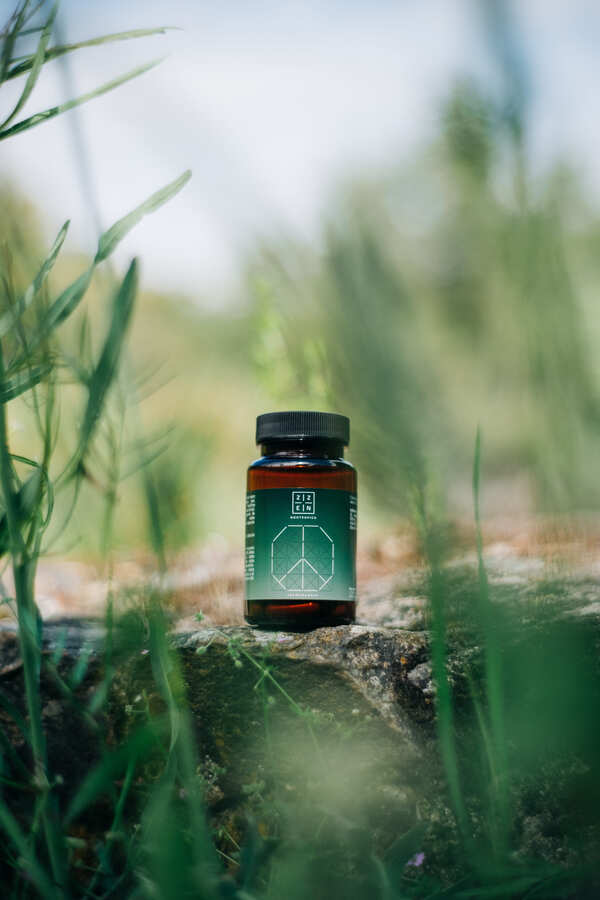
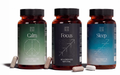
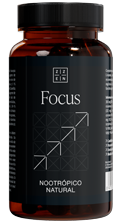
ZZEN Focus combines caffeine, L-theanine, Bacopa monnieri, Rhodiola rosea, Ginkgo biloba and B vitamins in a formula designed for concentration and cognitive performance. It's ZZEN Labs' flagship product for athletes looking to support focus and alertness.
Stress, calm and rest as part of performance
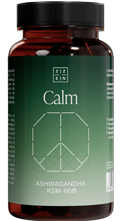
When competitive stress or accumulated training load also make it harder to sleep at night, it makes sense to work on both areas together. ZZEN Calm contains KSM-66® ashwagandha along with lemon balm and saffron, formulated to support you through periods of greater mental and emotional demand.
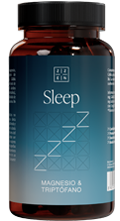
Rest is a pillar no supplement can replace. ZZEN Sleep, with L-tryptophan, GABA, magnesium, valerian and vitamin B6, is designed to complement a sleep routine, not to make up for poor sleep habits.
Nootropics by type of sport
Cognitive demands vary considerably between disciplines. The concentration an Olympic shooter needs is not the same as a basketball point guard's continuous decision-making, or the mental fatigue a cyclist has to manage on a six-hour stage.
|
Type of sport |
Main cognitive demand |
Most relevant ingredient or formula |
|
Technical-tactical (golf, shooting, climbing, tennis) |
Sustained concentration and precision |
Caffeine + L-theanine, ZZEN Focus |
|
Team sports (football, basketball, rugby, hockey) |
Fast decision-making and alertness |
Caffeine + L-theanine, ZZEN Focus |
|
Endurance (marathon, triathlon, long-distance cycling) |
Managing mental fatigue and motivation |
Caffeine, adaptogens |
|
Strength and power (weightlifting, CrossFit, sprinting) |
Activation and focus before the effort |
Caffeine + L-theanine |
|
High-load phases or pre-season |
Accumulated stress and cognitive recovery |
Ashwagandha, ZZEN Calm |
|
Martial arts and combat sports |
Reaction and concentration under physical pressure |
Caffeine + L-theanine, ZZEN Focus |
This table is a general guide. Individual tolerance to stimulants, training times and the point in the season all influence what makes most sense in each case. Athletes who are sensitive to caffeine or who train in the afternoon or evening should consider adjusting the timing or exploring stimulant-free formulas.
Other relevant supplements for athletes
Not every supplement used in sport is a nootropic. Some address different nutritional or physical performance needs and can complement a well-designed supplement strategy, but they have their own roles.
Creatine monohydrate is one of the most scientifically supported supplements for physical athletic performance. It increases muscle phosphocreatine stores and supports ATP regeneration, which improves performance in short, intense, repeated efforts: sprints, strength sets and explosive actions in team sports. Its effectiveness depends on regular, sustained intake, not on taking it right before training. Its possible effect on cognitive function is also being researched, although the evidence in that area is less conclusive. ZZEN Labs offers ZZEN Creatine+, microencapsulated creatine monohydrate (CREHYTINE) with electrolytes and digestive enzymes.
Magnesium is an essential mineral for muscle function, energy metabolism and the nervous system. It contributes to the reduction of tiredness and fatigue. Supplementing is useful when dietary intake is insufficient; it doesn't improve performance beyond optimal nutritional levels. Magnesium 7+ combines seven forms of magnesium in a single formula.
Omega-3s (EPA and DHA) are essential fatty acids with documented roles in cardiovascular and brain health. They've been researched in relation to muscle recovery and training adaptations, with mixed results. Their main contribution to sports supplementation is nutritional, not directly ergogenic. ZZEN Omega-3 High Purity also contains coenzyme Q10 and vitamin E.
None of these three is a nootropic. They have different use profiles, and adding them should respond to real needs. For athletes who want to address focus, calm and rest together, Modo ZZEN brings Focus, Calm and Sleep together in a coordinated supplement system.
Try Modo ZZEN in your daily routine
Safety and nootropics in competitive sport
This is the most important point for any athlete who competes under anti-doping rules, and also the most overlooked.
Check the WADA List. The Prohibited List of Substances and Methods is updated every year on 1 January. The fact that ingredients such as caffeine, L-theanine or ashwagandha aren't currently on the list doesn't guarantee they'll stay off it in the next update. Always check the current version before adding any supplement to your routine.
What the science says: real evidence and honest limits
Not all nootropic ingredients have the same level of evidence. It's worth distinguishing between what's well documented and what's still being studied.
Caffeine sits on the most solid ground: a proven effect on alertness, resistance to perceived exertion and performance across many sports. The caffeine + L-theanine combination is backed by studies on attention and concentration, although effects vary with the dose and the person.
Ashwagandha shows favourable results for stress markers and some physical parameters, but the studies are small and mixed. It's an active area of research, not a settled one.
Bacopa monnieri and Rhodiola rosea have described mechanisms of action and studies with positive results, but applying them directly to athletic performance calls for caution. Lab data and clinical trials in athletes don't always line up.
Training, nutrition, hydration and rest are the foundation of performance. Nootropics can be a sensible complement for athletes who already have that foundation covered and want to support the cognitive side.
Frequently asked questions
What are the best nootropics for athletes?
Do nootropics improve sports performance?
¿La creatina es un nootrópico?
Are nootropics legal in sports?
When should you take nootropics before training?
What is the best nootropic stack for athletes?
Do you need help with anything?
If you have any questions about anything you've seen, please contact our friendly support team.
Chat nowUnlock your discount
Subscribe and get your exclusive discount code.