

Magnesium for sleep: how to take it to reduce drowsiness

Table of contents
Sleeping well shouldn't be a luxury. However, more and more people have difficulty falling asleep or maintaining restorative rest. Among the many factors that influence this, the balance of certain micronutrients, such as magnesium, plays a key role. But does magnesium really help you sleep better? What is the best type? How to take it correctly?
In this article we answer all these questions with a scientific basis and tell you how you can incorporate magnesium into your night-time routine naturally.
Why magnesium is good for sleep
Magnesium is an essential mineral involved in more than 300 enzymatic processes in the human body. At a neurological and muscular level, it's key for regulating nervous system activity and promoting relaxation.
Its relationship with sleep is backed by several studies showing that adequate magnesium levels help to:
-
Reduce cortisol, the stress hormone.
-
Improve deep sleep quality.
-
Promote the production of melatonin, the hormone that regulates sleep cycles.
So yes: magnesium helps you sleep better, especially if it's part of a consistent routine accompanied by good rest habits.
Types of magnesium for sleep: which is the most effective
Not all types of magnesium are the same. Some are absorbed better than others, and not all have the same effect on sleep. These are the three most common:
|
Type of magnesium |
Absorption |
Recommended for |
|
Magnesium glycinate |
High |
Sleeping better: anxiety, insomnia or interrupted sleep |
|
Magnesium citrate |
Good |
Intestinal transit, rather than rest |
|
Magnesium oxide |
Low |
Not the best option if you're looking to improve sleep |
Magnesium glycinate
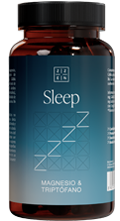
It's the combination of magnesium with glycine, an amino acid with calming properties. It has high bioavailability and a gentle but effective relaxing effect. Ideal for people with anxiety, insomnia or interrupted sleep, and it's the main ingredient of ZZEN Sleep, the sleep supplement from ZZEN Labs.
Magnesium citrate
It has good absorption, but can have a laxative effect in high doses. It's more advisable for regulating intestinal transit than for sleeping.
Magnesium oxide
Very common in supplements, but with low bioavailability. It's not the best option if your goal is to improve sleep.
So which is the best magnesium for sleep
Magnesium glycinate stands out as the most complete form for those looking for deep rest without side effects.
If you're looking for a complete formula, you can check out Magnesium 7+, the magnesium from ZZEN Labs with 7 salts designed to fit into a daily routine of rest and recovery.
How to take magnesium before sleep
For magnesium to do its job, how and when you take it is key:
-
Recommended dose: between 200 mg and 400 mg daily, depending on the case.
-
Ideal time: between 30 and 60 minutes before going to bed.
-
Way of taking it: with water and, optionally, on an empty stomach, which promotes absorption.
The most important thing is to be consistent. Magnesium isn't an instant solution, but a progressive support that, over time, improves deep sleep and the quality of rest.
And what if magnesium alone isn't enough
As Dr. Estivill explained in one of the latest episodes of ZZEN Talks with René ZZ, insomnia and sleep problems don't have a single cause. In fact, there are more than 40 possible causes, from chronic stress to bad habits before bed.
That's why, at ZZEN Labs we believe in natural, complete formulas focused on habit. A smart combination of ingredients can help you more than a single isolated nutrient.
Foods with magnesium that can help you sleep better
If you prefer to start with the basics, you can find magnesium in these foods:
-
Almonds.
-
Spinach.
-
Avocado.
-
Dark chocolate, at least 70%.
-
Pumpkin seeds.
Although you should know that the amount present in these foods isn't always enough if you have low magnesium levels, a lot of stress or fragmented sleep. You can complement them with sleep supplements like ZZEN Sleep and a good daily routine.
*Extra tip: if you notice digestive discomfort with a magnesium supplement, look at the chemical form before lowering the dose. Citrate and oxide are the ones that most often cause problems; glycinate is tolerated much better at the same amount.
Why the ZZEN Labs approach starts here
Yes, magnesium works for sleep. But not on its own. For it to work, you need to integrate it into a coherent lifestyle: light dinners, disconnecting from screens, regular schedules and a mindset focused on resting.
“Rest isn't imposed. It's built, night by night, with the right conditions.”
At ZZEN Labs we don't believe in magic formulas. We believe in science, in habit and in the process. And if you need natural support, with effective and carefully selected ingredients, ZZEN Sleep is our proposal to accompany you.
Do you need help with anything?
If you have any questions about anything you've seen, please contact our friendly support team.
Chat nowUnlock your discount
Subscribe and get your exclusive discount code.