



Magnesium citrate vs. bisglycinate: which one to choose depending on your goal
Table of contents
Choosing between different forms of magnesium can be confusing when you are looking to improve your daily well-being. Magnesium citrate and magnesium bisglycinate are two of the most popular options due to their excellent absorption, but each has specific characteristics that make them ideal for different goals.
Bisglycinate stands out for its ability to promote relaxation and improve sleep quality, while citrate is known for boosting energy and supporting digestive function. Understanding these differences will allow you to make the best decision for your particular situation.
What is magnesium bisglycinate and when to use it
Magnesium bisglycinate is a chelated form in which the mineral is bound to two molecules of glycine, an amino acid that facilitates its absorption. This combination creates one of the mildest forms of magnesium for the digestive system and with the highest bioavailability.
Its main strength lies in its effects on the nervous and muscular systems. Upon reaching the body, bisglycinate breaks down, releasing both magnesium and glycine, two compounds that work synergistically to promote relaxation.
Main benefits of magnesium bisglycinate
This form of magnesium offers specific advantages that make it ideal for certain situations:
Improves sleep quality by regulating the neurotransmitters responsible for relaxation
Reduces muscle tension after exercise or periods of stress
Calms the nervous system in times of anxiety or irritability
Excellent digestive tolerance without unwanted laxative effects
High bioavailability for optimal absorption
When to choose magnesium bisglycinate
Bisglycinate is your best ally when you experience difficulties related to rest and relaxation. If you have trouble falling asleep, wake up frequently during the night, or feel that your rest is not restorative, this form of magnesium can make a difference.
It is also particularly useful for people who experience muscle cramps, contractures, or stiffness after exercise. Its relaxing effect on the muscles makes it a natural ally for sports recovery.
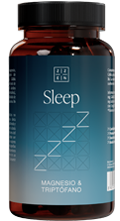
If you are looking for a natural supplement that combines natural relaxation with excellent sleep quality, we recommend considering options such as ZZEN Sleep, which contains magnesium along with other natural ingredients specifically designed to improve nighttime rest.
Characteristics of magnesium citrate and its applications
Magnesium citrate is created by combining the mineral with citric acid, creating a highly soluble salt that is quickly absorbed in the digestive tract. This characteristic makes it an excellent choice when you are looking for more immediate effects.
Unlike bisglycinate, citrate has a profile of action that is more oriented toward cellular energy and digestive function. Its rapid dissolution allows the body to use magnesium efficiently for metabolic processes.
Key benefits of magnesium citrate
Citrate offers a number of advantages that clearly differentiate it from other forms:
Increases energy levels by participating in ATP production
Promotes gentle and natural bowel movements
Rapid absorption ideal for correcting magnesium deficiencies
Relieves abdominal heaviness in people with slow digestion
Excellent for athletes who need rapid mineral replenishment
Ideal situations for magnesium citrate
This form of magnesium is especially beneficial when you need a natural energy boost or when you experience mild digestive problems. It is commonly recommended for people with occasional constipation or those who feel fatigued during periods of increased physical or mental demand.
Athletes and active individuals often prefer citrate for its ability to promote rapid recovery and its contribution to cellular energy processes. It is also an excellent option for those seeking to improve their digestion without resorting to harsh laxatives.
Detailed comparison between magnesium citrate and bisglycinate
To make the best decision, it is essential to understand the practical differences between the two forms of magnesium. Each has unique characteristics that make it more suitable for specific purposes.
Absorption and bioavailability: Both forms are absorbed efficiently, but by different mechanisms. Bisglycinate uses amino acid transporters, ensuring consistent absorption even on an empty stomach. Citrate, on the other hand, dissolves quickly and is absorbed immediately.
Digestive tolerance: This is where we find the most notable difference. Bisglycinate is practically neutral for the digestive system, while citrate can have a mild laxative effect, especially in high doses.
Time of consumption: Bisglycinate works best in the afternoon or evening due to its relaxing properties. Citrate is ideal for the morning or midday, when you need energy and want to aid digestion.
Key factors for choosing between magnesium citrate and bisglycinate
The right choice depends on several personal factors that you should consider carefully. Your lifestyle, health goals, and digestive sensitivity are key factors in this decision.
Depending on your main objective
If your priority is to improve sleep and reduce stress, bisglycinate is your best option. Its calming effect on the nervous system and its ability to not interfere with digestion make it the perfect ally for rest.
For those seeking to increase energy or improve bowel regularity, citrate offers clear advantages. Its rapid absorption and stimulating effect on digestive transit make it ideal for morning use.
Considerations regarding digestive sensitivity
People with sensitive stomachs or who are prone to digestive disorders tend to tolerate bisglycinate better. Its chelated formulation minimizes gastric irritation and virtually eliminates the risk of unwanted laxative effects.
If you are prone to constipation or slow digestion, citrate can offer you an additional benefit by helping to regulate bowel movements naturally.
Combination strategies
Some professionals recommend combining both forms to obtain complementary benefits: citrate in the morning for energy and digestion, bisglycinate at night for relaxation and sleep. This strategy should be implemented gradually and preferably under professional supervision.
Dosage and best practices for each type
The appropriate dosage varies depending on the form of magnesium chosen, your body weight, your specific goals, and your initial deficiency level. Starting with low doses and adjusting gradually is always the safest strategy.
For bisglycinate, typical doses range from 200-400 mg per day, preferably divided into two doses. The second dose, taken 1-2 hours before bedtime, enhances its relaxing effects.
Citrate is usually consumed in doses of 150-300 mg, preferably on an empty stomach or with a slightly empty stomach to maximize absorption. Taking it in the morning makes better use of its energy profile.
Time and method of consumption: Bisglycinate can be taken with or without food without losing its effectiveness. Citrate, although also flexible, works best with a little liquid to facilitate its dissolution.
It is important to remember that magnesium can interact with certain medications, especially antibiotics and blood pressure medications. Consulting with a healthcare professional before starting any supplementation is always recommended.
Important interactions and precautions
Before deciding between magnesium citrate and bisglycinate, it is important to be aware of the possible interactions and precautions associated with each form. Although both are generally safe, certain factors may influence their effectiveness or suitability.
Magnesium can reduce the absorption of some antibiotics such as tetracyclines and fluoroquinolones. If you take these medications, it is important to consult your doctor to avoid any discomfort or inconvenience.
People taking blood pressure medication should be especially careful, as magnesium can enhance these effects. While this is not necessarily problematic, it does require medical monitoring.
Kidney conditions: People with kidney failure should avoid magnesium supplements or use them only under strict medical supervision, as the kidneys are responsible for eliminating excess amounts of this mineral.
The citrate form requires extra caution in people with irritable bowel syndrome or inflammatory bowel disease, as its effect on transit may aggravate some symptoms.
Conclusion
Choosing between magnesium citrate and bisglycinate is not a decision to be taken lightly. Both forms offer unique benefits that can transform your well-being when used correctly and with the right goal in mind.
Bisglycinate is your best ally for rest, muscle relaxation, and nervous system balance. Its excellent digestive tolerance makes it the ideal choice for prolonged use without annoying side effects.
Citratemeanwhile, stands out as the perfect companion for boosting energy, improving digestion, and maintaining bowel regularity. Its rapid absorption makes it especially valuable in situations of increased physical or mental demand.
Remember that the key to success lies not only in choosing the right form of magnesium, but also in integrating it into a comprehensive approach to wellness that includes a balanced diet, regular exercise, and proper stress management. Smart supplementation is just one piece of the puzzle to achieving optimal health.
Do you need help with anything?
If you have any questions about anything you've seen, please contact our friendly support team.
Chat nowUnlock your discount
Subscribe and get your exclusive discount code.