


How to take omega 3: a complete guide to get the most out of every capsule
Not seeing results with omega 3 is almost always a protocol problem, not a product one. Learn when, how and in what dose to take it so every capsule counts.
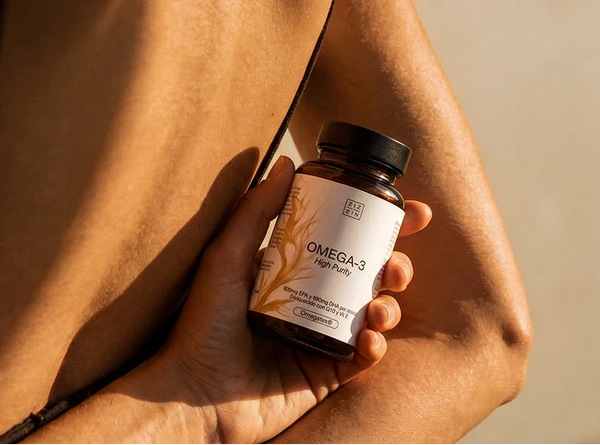
Table of contents
Taking an omega-3 supplement and seeing no results is one of the most common mistakes in supplementation, and it almost always has the same cause: not knowing when to take it, how to take it or in what dose. It's not a product quality problem; it's a protocol problem. This guide exists so that doesn't happen to you.
Here you'll find everything you need to know to make every capsule count: the optimal timing, the relationship between omega-3 and food, the EPA and DHA doses backed by science and the keys to turning this habit into something sustainable in the long term.
Why the timing of your omega 3 matters more than you think
Omega-3 is a fat, and fats are absorbed very differently depending on the digestive environment they reach. When you take a capsule on an empty stomach, the digestive system hasn't released the amount of bile and pancreatic enzymes needed to properly break down and absorb the fatty acids EPA and DHA. The result is that part of that dose is lost before reaching the bloodstream.
This has a very concrete practical consequence: taking omega-3 with food can increase its bioavailability by 50% to 60% compared to taking it on an empty stomach, according to lipid absorption studies. That's no minor difference. It's the difference between using half the supplement and using almost all of it.
The type of food also matters. It's not enough to take the capsule with a glass of water and a piece of fruit. Ideally, take it with a meal that contains good-quality fat, since dietary lipids stimulate bile secretion and create the perfect digestive environment for EPA and DHA to be absorbed. An avocado, a handful of nuts, olive oil or fish are ideal companions for your omega-3 supplement.
When to take daily omega-3 based on your routine and goals
One of the most frequent questions is whether it's better to take omega-3 in the morning, at midday or at night. The honest answer is that the specific time of day matters less than consistency and the presence of fat in the meal that accompanies it. Still, there are a few nuances that can help you decide.
In the morning, with breakfast is the most popular option because it anchors the habit to an already established routine. If your breakfast includes eggs, avocado or some healthy fat, it's an excellent time. If your breakfast is very light or low in fat, consider moving it to lunch.
With the main midday meal is usually the moment of greatest absorption for most people, because it's when more fats are eaten and the digestive system works at full capacity. If you follow a Mediterranean diet or your lunch is the most complete meal of the day, this is probably your best window.
With dinner also works. Some people prefer to take it at night because that's when the diet provides more omega-3 from fish or other sources. In addition, some studies suggest that taking EPA and DHA at night may have a favourable effect on night-time cellular recovery, although the evidence on this point is less conclusive.
PRO TIP: If you tend to forget the supplement, link it to the most solid and predictable meal of your day, the one you never skip. Daily consistency beats any "ideal" moment that's applied irregularly.
Recommended omega-3 doses based on your goal
There is no universal dose of omega-3 because requirements vary depending on health profile, inflammation level, baseline diet and each person's goals. What does exist is an evidence-backed range in which most healthy adults get clear benefits.
The table below summarises the EPA and DHA doses most used in the scientific literature according to the main goal:
| Goal | Recommended daily EPA + DHA dose |
|---|---|
| General maintenance and wellbeing | 500 – 1,000 mg EPA + DHA |
| Cardiovascular health | 1,000 – 2,000 mg EPA + DHA |
| Triglyceride control | 2,000 – 4,000 mg EPA + DHA |
| Inflammation and physical recovery | 1,500 – 3,000 mg EPA + DHA |
| Cognitive health and mood | 1,000 – 2,000 mg EPA + DHA |
It's important to understand that not all grams of fish oil are grams of EPA and DHA. A 1,000 mg fish oil capsule may contain as little as 300 mg of active omega-3 if the concentration is low. That's why reading the label and checking the real amount of EPA and DHA per capsule is essential before setting your daily dose. A high-purity supplement, like the one from ZZEN Labs, specifies exactly how much EPA and DHA each serving provides, which removes any ambiguity.
Discover ZZEN Labs' Omega-3 supplement
The relationship between EPA and DHA and why both matter
When we talk about omega-3, we're actually talking about a family of fatty acids, and within it the two main players are EPA (eicosapentaenoic acid) and DHA (docosahexaenoic acid). Although they work as a team, they have different predominant functions and understanding that difference will help you choose the most suitable supplement.
EPA has a predominantly anti-inflammatory action. It acts as a precursor of molecules that modulate the body's inflammatory response, which makes it especially relevant for cardiovascular health, chronic pain management and mood balance. Several studies have shown that EPA plays a key role in reducing blood triglycerides and protecting heart health.
DHA, for its part, is the most abundant structural component of the brain and retina. Approximately 40% of the polyunsaturated fatty acids in brain tissue are DHA. This explains why an adequate intake of DHA is associated with better memory, concentration and visual health. During pregnancy and breastfeeding, DHA is essential for the baby's neurological development.
The ideal ratio of EPA to DHA in a supplement depends on your goals. For general cognitive health, a 1:1 ratio or even one weighted towards DHA is appropriate. For goals more related to inflammation or mood, protocols with more EPA are more common. In any case, the combination of both in a single high-concentration supplement is the most complete option for most people.
Build a complete routine with Omega 3
Discover ZZEN Labs' high-purity omega 3 supplement with EPA and DHA.
How many capsules to take and how to spread them through the day
Once you know your target EPA and DHA dose, the next question is whether it's better to take it all at once or spread it across several doses. Here, again, science offers guidance.
Taking high doses of omega-3 all at once can cause some people a feeling of digestive heaviness, fishy burps or slight stomach discomfort. This happens more often when you exceed 2,000 mg of EPA + DHA in a single intake, especially if the supplement isn't high-purity or if it's taken on a relatively empty stomach.
Splitting the dose into two intakes (for example, one with breakfast and another with dinner) improves digestive tolerance and can keep omega-3 plasma levels more stable throughout the day. This strategy is especially recommended when the total daily dose exceeds 2,000 mg of EPA + DHA.
For maintenance doses of 500 to 1,000 mg, a single daily intake with the main meal is completely sufficient and easier to keep up over time. The simplicity of the protocol is an adherence factor that shouldn't be underestimated: a habit kept up for months always beats a "perfect" one abandoned after three weeks.
How long omega 3 takes to work
This is one of the doubts that most often leads to premature abandonment of supplementation. Omega-3 doesn't act like a painkiller that offers immediate results: its mechanism is one of tissue accumulation and progressive metabolic modulation.
The body's tissues gradually incorporate EPA and DHA. It's estimated that 8 to 12 weeks of constant daily supplementation are needed for omega-3 levels in tissues to reach a functional concentration that produces measurable benefits. Some effects, such as a slight improvement in triglycerides, may be seen earlier, but the benefits on inflammation, cognitive health or mood require patience and consistency.
This has a direct implication: if you've had low omega-3 levels for weeks (more common than it seems), the body first needs to fill that deficit before starting to use the supplement for maintenance and optimisation functions.
How to boost the effects of omega 3 with other habits and supplements
Omega-3 doesn't work in a vacuum. Like any micronutrient, its action is amplified or limited by the rest of the habits around it. Knowing these synergies can make a real difference in results.
Vitamin D and omega-3 form one of the most studied combinations in the field of cardiovascular and immune health. Both work on complementary anti-inflammatory pathways and their simultaneous deficiency is very common in populations with little sun exposure. Taking them together, especially in winter months, is a strategy with scientific backing.
Magnesium is another natural ally of omega-3. This mineral takes part in more than 300 enzymatic reactions in the body and its deficiency affects muscle health, sleep and mood, areas where omega-3 also has influence. If you're reviewing your basic supplementation stack, you may want to look into the signs of magnesium deficiency that many people ignore for months.
From a dietary point of view, reducing excess omega-6 consumption (present in refined vegetable oils and ultra-processed foods) improves the effectiveness of omega-3, since both compete for the same metabolic enzymes. A diet with a balanced ratio between omega-6 and omega-3 lets EPA and DHA better fulfil their anti-inflammatory function.
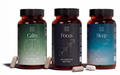
Discover the complete natural nootropics pack
The importance of purity and concentration when choosing an omega 3
Not all omega-3 supplements are the same, and this isn't a marketing slogan: it's an analytical reality. The quality of the fish oil, the refining process, the EPA and DHA concentration percentage and the absence of contaminants such as heavy metals or dioxins are factors that determine whether what you're taking is truly useful or simply low-quality encapsulated fish oil.
A high-purity omega 3 differs from a standard one in several key aspects. First, concentration: a quality product offers at least 500-600 mg of EPA + DHA per capsule, which means you need to take fewer capsules to reach your target dose. Second, oxidation: oxidised fish oil not only loses effectiveness but can generate potentially harmful compounds. Quality supplements include natural antioxidants such as vitamin E to protect the oil. Third, traceability: the best products specify the origin of the fish, the extraction method and the purity test results.
At ZZEN Labs the omega 3 formulation meets exactly these criteria, with a clean formula designed so that every serving delivers exactly what it promises, with no fillers or misleading concentrations.
Practical summary to take omega 3 correctly every day
Integrating daily omega-3 into your routine doesn't have to be complicated. These are the essential points to remember:
- Always take it with food, preferably one that contains healthy fat, to maximise the absorption of EPA and DHA.
- The dose depends on your goal: between 500 and 1,000 mg of EPA + DHA for general maintenance; up to 2,000-3,000 mg for specific goals such as inflammation, triglycerides or cognitive health.
- Always read the label and check the real amount of EPA and DHA per capsule, not just the total mg of fish oil.
- The time of day matters less than consistency: choose the meal you can always anchor the habit to and keep it up.
- Results are gradual: wait at least 8 weeks of daily intake before evaluating the effects.
- Split the dose if you exceed 2,000 mg per day to improve digestive tolerance.
- Choose a high-purity supplement with a verified EPA and DHA concentration, with no oxidation or contaminants.
A good supplement doesn't make up for a bad diet, but it can make the difference when the rest of your habits are already in place and your body needs that extra push that modern food no longer provides.
Discover ZZEN Labs' high-purity EPA and DHA omega-3 supplement.
Do you need help with anything?
If you have any questions about anything you've seen, please contact our friendly support team.
Chat nowUnlock your discount
Subscribe and get your exclusive discount code.