



Magnesium bisglycinate: what it is used for and why it is the best form of magnesium

Table of contents
Magnesium is one of those minerals that everyone talks about, but few really understand what it is used for. And that's normal, because when you start researching it, you realise that there are many different forms of magnesium: citrate, oxide, chloride, bisglycinate... And that's where the confusion begins about which one to take, which one is best and which one is right for you.
Today we tell you all about magnesium bisglycinate, one of the most effective and best tolerated forms of magnesium available. If you have ever taken magnesium and experienced digestive discomfort, or simply noticed no effect, this article will be of interest to you.
What exactly is magnesium bisglycinate?
Let's start with the basics. Magnesium bisglycinate is a chelated form of magnesium, which means that the mineral is bound to two molecules of glycine, an essential amino acid. This chemical bond is not arbitrary: it makes magnesium much more bioavailable, meaning that your body absorbs and utilises it more efficiently.
To understand this better, imagine that magnesium is a package that needs to reach its destination (your cells). Bisglycinate acts as a premium courier service that ensures that package arrives intact and quickly. Other forms of magnesium would be like sending it by regular post, which may arrive, but will take longer and there is a risk that some of the contents will be lost along the way.
Glycine also has its own beneficial properties. It is an amino acid that promotes relaxation, improves sleep quality and has anti-inflammatory effects. So when you take magnesium bisglycinate, you are getting a double benefit.
Magnesium bisglycinate, what is it used for?
What we have all wondered at some point: what is magnesium bisglycinate really used for? Magnesium is a mineral involved in more than 300 enzymatic reactions in your body; therefore, we are going to break down the most important benefits of magnesium bisglycinate.
Combat tiredness and fatigue
If you wake up tired, feel like you lack energy during the day, or need several cups of coffee to function, you may have a magnesium deficiency. This mineral plays a key role in the production of ATP, which is basically your cells' energy currency.
Magnesium bisglycinate helps reduce both physical and mental fatigue. It is especially useful for people who have demanding jobs, high-performance athletes, or simply for those who are going through periods of high stress and overload.
Improves muscle function and reduces cramps
Have you ever had a cramp in the middle of the night that woke you up with unbearable pain? Magnesium is essential for muscle relaxation. Without adequate levels, your muscles remain tense and are more prone to cramps, spasms and pain.
Magnesium bisglycinate contributes to electrolyte balance and normal muscle function. That is why it is so popular among athletes, people with physically demanding jobs, and pregnant women, who often experience leg cramps.
Promotes rest and quality sleep
One of the most valued uses of magnesium bisglycinate is its ability to improve sleep. Magnesium acts on the nervous system, promoting relaxation and helping to regulate sleep cycles.
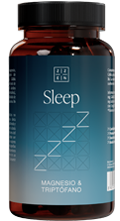
In addition, the glycine present in bisglycinate has calming effects on the brain, further enhancing this benefit. If you have trouble falling asleep, wake up during the night, or don't rest well, taking a sleep supplement with magnesium bisglycinate among its ingredients can make a difference.

Take care of your bone health
When we think of strong bones, the first thing that comes to mind is calcium. But magnesium is just as important. Sixty per cent of the magnesium in your body is stored in your bones, where it helps maintain their density and strength.
In addition, magnesium influences vitamin D levels and parathyroid hormone, both of which are essential for bone health. Over time, magnesium levels tend to decline, so it is especially important for older people to maintain adequate intake.
Regulates the nervous system and reduces stress
Magnesium plays a fundamental role in the functioning of the nervous system. It helps regulate the transmission of nerve signals and has natural anxiolytic effects, meaning it reduces anxiety.
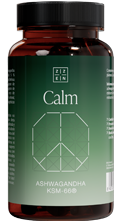
If you are experiencing periods of stress, anxiety or mental overload, a supplement containing Ashwagandha KSM-66 can help you, but if you also take magnesium bisglycinate, you may feel calmer and more balanced. It is not a pharmacological anxiolytic, but it can be a valuable natural ally in helping you to better manage everyday stress.
Contributes to cardiovascular health
Magnesium helps regulate blood pressure and maintain heart rhythm. Several studies have shown that adequate magnesium intake can help moderately reduce blood pressure levels, especially in people with magnesium deficiency.
In addition, magnesium has anti-inflammatory and antioxidant effects that protect the cardiovascular system in general.
Helps regulate blood sugar levels
Magnesium participates in the breakdown of sugar and improves insulin sensitivity. This means that it helps cells respond better to insulin and use glucose more efficiently.
Multiple studies have linked a magnesium-rich diet to a lower risk of developing type 2 diabetes. If you have insulin resistance issues or a family history of diabetes, maintaining good magnesium levels is important.
Relieves symptoms of premenstrual syndrome
Magnesium is essential for oestrogen detoxification and hormone regulation. That is why many women notice significant improvements in premenstrual syndrome symptoms when they take magnesium supplements.
It can help reduce headaches, cramps, fluid retention, mood swings, and irritability associated with this phase of the menstrual cycle.
How to take magnesium bisglycinate in your daily routine?
Knowing how to take it is almost as important as knowing what it is used for and taking a high-quality product. Before incorporating magnesium bisglycinate into your daily routine, you should know the recommended dosage.
Recommended dose of magnesium bisglycinate
The recommended daily intake of magnesium for adults ranges from 200 to 400 mg per day. However, specific requirements depend on factors such as age, weight, level of physical activity, and overall health.
If you are an athlete, have a physically demanding job, or are going through periods of intense stress, you may need a higher dose. In any case, it is always advisable to consult with a healthcare professional to determine the right dose for you.
When to take it
The time of day you take magnesium bisglycinate may influence the effects you notice:
-
To improve sleep: take it between 30 minutes and 1 hour before going to bed. This will help you relax and fall asleep more easily.
-
To improve muscle function or after sport: take it after exercise to aid muscle recovery.
-
To reduce anxiety or stress: you can take it at any time of day, although many people prefer to do so in the morning or mid-afternoon.
-
To increase your overall daily magnesium intake: take it with meals. This improves absorption and reduces the risk of any stomach discomfort.
Tips for improving absorption
To optimise the absorption of magnesium bisglycinate, keep these tips in mind:
-
Combine it with vitamin B6: B vitamins, especially B6, enhance the absorption and action of magnesium.
-
Take it with meals: although bisglycinate is well tolerated on an empty stomach, taking it with food may improve its absorption.
-
Avoid taking it with large amounts of calcium: very high doses of calcium can interfere with magnesium absorption. Separate them by at least 2 hours.
-
Be consistent: the effects of magnesium are noticeable with continued use. Give your body time to replenish its reserves.
Difference between magnesium glycinate and magnesium bisglycinate
You may well have seen both ‘magnesium glycinate’ and ‘magnesium bisglycinate’ and even thought they were the same thing. But they are not. Technically speaking, bisglycinate has two glycine molecules bound to one magnesium molecule, whereas glycinate has only one.
What both forms share is that they are chelated, highly bioavailable, and well tolerated by the digestive system.
How do you know if you need magnesium bisglycinate?
Magnesium deficiency is more common than you might think. It is estimated that up to 50% of the Western population does not meet the recommended daily intake of magnesium through their diet.
Some symptoms that may indicate you need more magnesium are:
-
Constant fatigue or feeling of lack of energy
-
Frequent muscle cramps
-
Difficulty sleeping or poor sleep quality
-
Stress, anxiety or irritability
-
Recurrent headaches or migraines
-
Muscle weakness
-
Palpitations or irregular heartbeat
-
Tingling or numbness in hands and feet
If you identify with several of these symptoms, magnesium bisglycinate could help you in your daily life and improve your rest. But remember that these symptoms may also be related to other conditions, so it is important to rule out other health problems with a professional.
And if you want an option that doesn't depend on a single form, Magnesium 7+ combines 7 magnesium salts in a single daily formula.
Why magnesium bisglycinate is the most recommended form
Magnesium bisglycinate is not just any form of magnesium. It is probably the best choice if you are looking for effectiveness, good tolerance and real results.
Here is a summary of why it is superior to other forms of magnesium:
-
Maximum bioavailability: your body absorbs it much better than other forms.
-
Excellent digestive tolerance: does not cause diarrhoea or stomach upset.
-
Double benefit: you get magnesium plus glycine.
-
Full effect: acts on multiple systems (muscular, nervous, skeletal, cardiovascular).
-
Backed by science: multiple studies confirm its efficacy and safety.
If you are looking for a quality magnesium supplement, bisglycinate is undoubtedly the smartest choice.
Conclusion: magnesium bisglycinate is an investment in your health.
Magnesium bisglycinate is not just another supplement. It is a tool that can tangibly improve your quality of life: more energy, better rest, less stress, more relaxed muscles, and optimised overall health.
In a world where the pace is frenetic, stress is the norm and quality rest is a luxury, ensuring adequate magnesium intake is no longer optional but a necessity.
If you want to feel better, perform at your best, and take care of your body in a smart way, magnesium bisglycinate is one of the most valuable supplements you can incorporate into your routine.
Do you need help with anything?
If you have any questions about anything you've seen, please contact our friendly support team.
Chat nowUnlock your discount
Subscribe and get your exclusive discount code.