



Is caffeine beneficial? The mistake of using it to perform better

Table of contents
Millions of people turn to caffeine every day, believing it is the key to boosting their productivity and mental performance. However, this widespread belief may be sabotaging rather than helping your brain and overall health.
Caffeine has become the default fuel of modern society, but is caffeine really good as a stimulant to improve performance? The answer is more complex and interesting than you might think.
What is caffeine and how does it really affect your performance?
Caffeine is a natural alkaloid found in more than 60 plants, including coffee beans, tea leaves, and cocoa pods. When consumed, it acts as a central nervous system stimulant that temporarily makes you feel more alert and energetic.
The problem arises when you depend exclusively on it to function. Caffeine does not give you real energy it simply blocks the adenosine receptors in your brain, preventing you from feeling natural tiredness.
But it's a bit like putting tape over your car's fuel gauge: it doesn't solve the underlying problem.
The immediate effects of caffeine on your body
When you consume caffeine, your body undergoes several physiological changes that may seem beneficial in the short term. For example:
Increase in blood pressure
Increase in heart rate
Increased release of stomach acid
Diuretic effect that can lead to dehydration
Interference with calcium absorption
In addition, caffeine reaches its peak level in the blood approximately one hour after consumption, and its effects can last between 4 and 6 hours.
Why caffeine is not the solution for improving performance
The big mistake many people make is believing that caffeine improves their cognitive ability when, in reality, it is only temporarily compensating for their natural energy deficit.
The vicious cycle of caffeine dependence
1. You consume caffeine to feel alert.
2. Your body develops tolerance
3. You need more quantity to obtain the same effect
4. You experience withdrawal symptoms without her
5. Your natural performance without caffeine decreases
And this cycle creates a false sense of improved performance. Because in reality, what you are experiencing is not an increase in your ability, but rather the temporary elimination of withdrawal symptoms.
The hidden risks of excessive caffeine consumption
When you exceed 400 mg of caffeine per day (equivalent to about 4 cups of coffee), your body may experience some significant adverse effects to be aware of, such as:
Restlessness and tremors
Chronic insomnia
Recurring headaches
Dizziness and rapid heartbeat
Anxiety and nervousness
Digestive problems
Natural alternatives to caffeine to boost your mental performance
Instead of relying on caffeine, there are more sustainable and effective methods for optimising your cognitive performance.
Natural nootropics as a smart solution
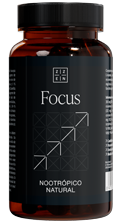
Natural nootropics offer a superior alternative to caffeine because they work with your brain's natural chemistry, not against it. A well-formulated nootropic for concentration and energy, such as the one from ZZEN Labs, includes:
L-Theanine: Reduces anxiety without causing drowsiness
Rhodiola rosea: adaptogen that improves stress resistance
B vitamins: Essential for brain energy metabolism

Natural strategies to optimise your mental energy
True sustainable mental performance comes from taking care of the fundamentals of your health, not from putting on a kind of band-aid by drinking three coffees a day. To do this, it is important to integrate some good habits into your daily routine, such as:
1. Sleep quality: 7-9 hours of restful sleep
2. Adequate hydration: 2-3 litres of water per day
3. Balanced nutrition: high-quality proteins, healthy fats and complex carbohydrates
4. Regular exercise: improves brain oxygenation
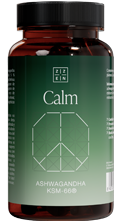
5. Stress management: relaxation and mindfulness techniques or even Ashwagandha KSM-66 supplements for stress.

How to boost sustainable mental performance
The key is to adopt a holistic approach that does not rely on external stimulants. Natural nootropics represent an evolution in cognitive performance care, providing the nutrients your brain needs to function optimally.
Symptoms that indicate you should reduce your caffeine intake
Your body will send you clear signals when caffeine is doing more harm than good:
Difficulty sleeping or fragmented sleep
Constant anxiety or nervousness
Emotional dependence on coffee to function
Frequent headaches
Irritability when you don't consume caffeine
Recurring digestive problems
Transition to natural mental performance
Shifting from caffeine dependence to a more natural approach requires patience and strategy. The goal is to regain your natural energy and focus while optimising your cognitive performance in a sustainable way.
Caffeine can have its place in a well-designed performance strategy, but it should never be the mainstay. When you combine smart natural supplements , healthy lifestyle habits, and proper stress management, you will discover that your natural ability to perform is much greater than you ever imagined.
*Recuerda: True productivity does not come from temporary stimulants, but from taking care of the most sophisticated machine you own: your brain. So give it what it really needs to shine.
Do you need help with anything?
If you have any questions about anything you've seen, please contact our friendly support team.
Chat nowUnlock your discount
Subscribe and get your exclusive discount code.