

Adaptogens for stress: what are they and how are they used?
Table of contents
The fast pace of modern life has turned stress into a constant. Meetings, deadlines, screens, social pressure, insomnia: it all adds up and doesn't stop adding up. That's why interest is growing in natural solutions that not only help combat the symptoms, but help the body manage stress better from within. And that's where adaptogens come in.
In this article we explain in detail what adaptogens are, how they work, what science says about their effectiveness for stress and mild depression, and how you can integrate them into your daily routine safely and effectively.
What adaptogens are
Adaptogens are natural substances that help the body adapt to physical, emotional and mental stress. They come from herbs and roots traditionally used in Ayurvedic and Chinese medicine, and have gained prominence in the last decade thanks to scientific backing and their growing presence in functional nutrition.
Plants or compounds that meet three conditions are considered adaptogens:
-
They aren't toxic at normal doses.
-
They produce a normalising effect on the body, especially on the nervous and hormonal system.
-
They increase the body's resistance to stress, without causing over-excitement or dependence.
How adaptogens act against stress
When we're subjected to chronic stress, the body constantly raises levels of cortisol, the so-called stress hormone. This continued excess can cause:
-
Mental and physical fatigue.
-
Irritability.
-
Sleep problems.
-
Anxiety or even symptoms of mild depression.
-
Weakening of the immune system.
Adaptogens act on the HPA axis (hypothalamic-pituitary-adrenal), modulating the response to stress and helping the body return to a state of balance or homeostasis. Unlike other supplements, they aren't sedatives: they promote better management of mental and emotional energy.
Main adaptogens used for stress
These are some of the best-known and most-studied adaptogens for managing stress and emotional wellbeing:
|
Adaptogen |
What it stands out for |
To bear in mind |
|
Ashwagandha |
Reduces cortisol, improves sleep and mild anxiety |
Better tolerated at the end of the day |
|
Rhodiola rosea |
Mental fatigue and physical resistance |
Better in the morning, doesn't cause drowsiness |
|
Ginseng |
Concentration, memory and tolerance to effort |
Can be stimulating in sensitive people |
|
Eleuthero |
General resistance to prolonged stress |
Also known as Siberian ginseng |
Ashwagandha (Withania somnifera)
One of the most powerful adaptogens backed by scientific evidence. ashwagandha helps reduce cortisol levels, improve sleep quality and combat mild anxiety. Its effect on mood improvement has also been studied.
Rhodiola rosea
Ideal for combating mental fatigue and improving physical resistance. It regulates the response to stress without causing drowsiness.
Ginseng
Especially Asian ginseng or Panax ginseng. It improves concentration, memory and tolerance to physical and mental effort, although it can be too stimulating for some sensitive people.
Eleuthero
Also known as Siberian ginseng. It improves general resistance and has been used to reduce the impact of prolonged stress.
*Tip: Alongside adaptogens like ashwagandha, it can also make sense to look after key minerals such as magnesium, especially when stress manifests as tension, tiredness or difficulty resting.
What science says about adaptogens
The scientific community has paid increasing attention to adaptogens in recent decades. Clinical studies have shown that extracts such as ashwagandha or rhodiola can:
-
Reduce blood cortisol levels.
-
Improve mild and moderate anxiety parameters.
-
Decrease chronic fatigue.
-
Promote concentration and mental clarity.
Although they aren't medicines and don't replace clinical treatments for serious disorders, their use as a natural complement for stress and the prevention of emotional burnout is increasingly backed.
Adaptogens for mild depression or emotional stress
Some adaptogens, especially ashwagandha and rhodiola, have also shown positive effects on mood, since they can influence neurotransmitters such as dopamine and serotonin.
This makes them an interesting option for people who don't have clinical depression, but do have an emotional picture linked to stress, tiredness or lack of motivation.
It's important to stress that adaptogens don't replace psychological or pharmacological treatments, but they can be natural allies in processes of emotional improvement when integrated into a complete self-care approach. If your symptoms are persistent or intense, consult a health professional.
How to use adaptogens safely and effectively
-
Consistency: adaptogens don't act immediately. It's recommended to take them for at least 3 or 4 weeks to notice real benefits.
-
Avoid excessive combinations: don't mix many adaptogens without professional guidance.
-
Time of day: some are better tolerated in the morning, such as rhodiola, and others are more suitable at the end of the day, such as ashwagandha.
-
Extract quality: it's essential to use standardised extracts, with a guaranteed concentration of active principles.
*Extra tip: introduce a single adaptogen at a time. If you start with two at once and something disagrees with you, or agrees with you especially well, you'll have no way of knowing which of the two it was.
ZZEN Calm: your natural ally against daily stress
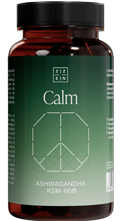
At ZZEN Labs we develop our formulas from a realistic approach, based on science and respect for the body. ZZEN Calm Ashwagandha has been designed as natural and effective support for those looking to manage stress without resorting to aggressive solutions or sedatives. Its formula combines:
-
Ashwagandha KSM-66® (600 mg): one of the highest concentrations on the market, effective for reducing cortisol, promoting adaptation to stress and improving emotional balance.
-
Dry saffron extract (30 mg): promotes emotional wellbeing and the production of serotonin.
-
Melissa dry extract (200 mg): reduces nervous tension without affecting concentration.
A minimalist, clean formula oriented towards sustainable results. Without caffeine, without sedation: just real calm. It can be taken once a day, preferably in the afternoon or at the end of the day, as part of a routine that combines emotional wellbeing and mental rest.
Why the ZZEN Labs approach starts here
Adaptogens aren't a shortcut or a passing fad. They're natural tools that, well used, can help you regain control over your energy, your emotional state and your ability to manage day to day.
“Balance isn't imposed. It's supported, week by week, with the right conditions.”
At ZZEN Labs we're committed to that type of wellbeing: one that doesn't promise miraculous results, but that accompanies real processes with rigour, honesty and effectiveness.
Do you need help with anything?
If you have any questions about anything you've seen, please contact our friendly support team.
Chat nowUnlock your discount
Subscribe and get your exclusive discount code.